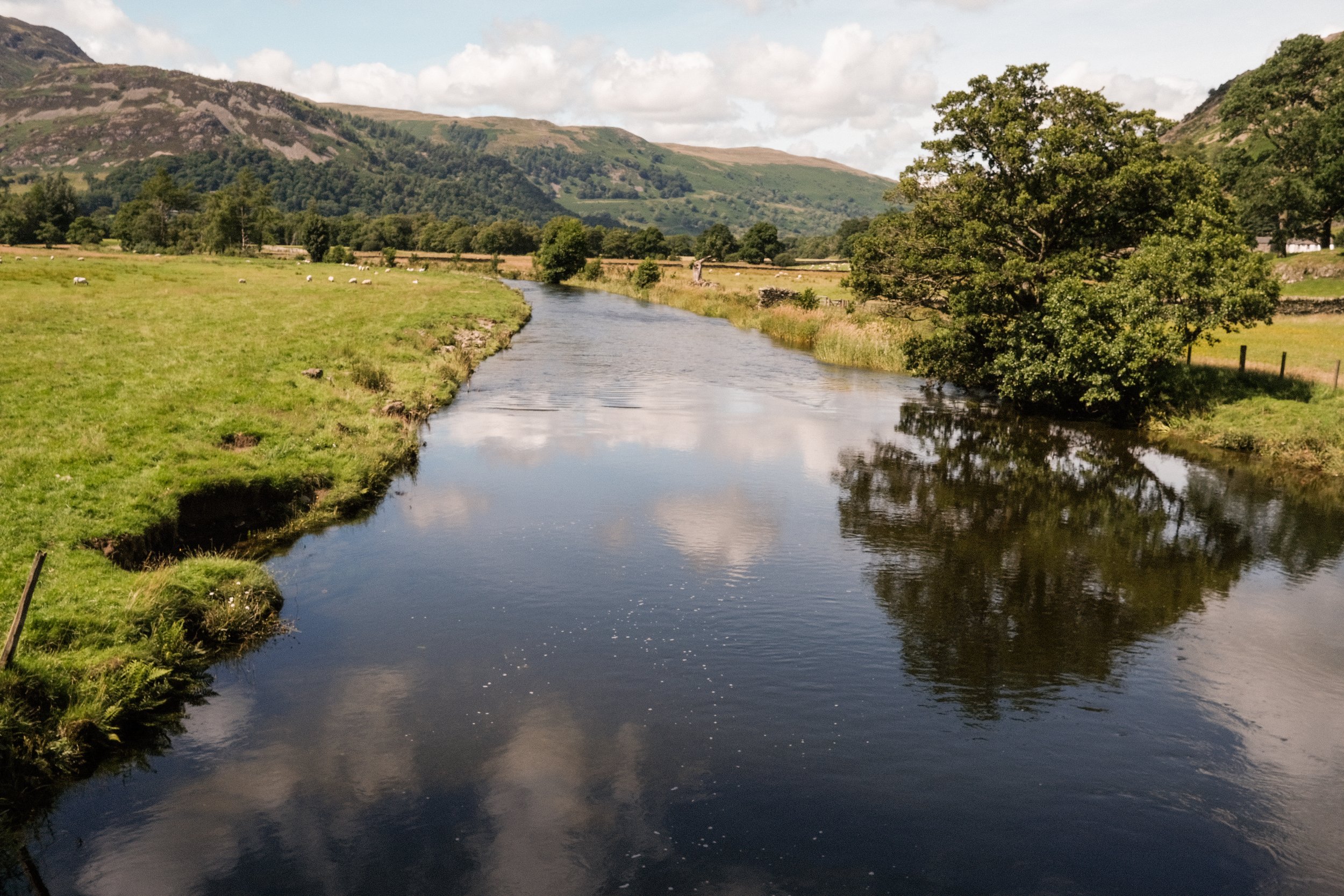
English Pastoral
Ongoing series. 2021-present. The Lake District.
The modern world worships the idea of the self, the individual, but it is a gilded cage: there is another kind of freedom in becoming absorbed in a little life on the land. In a noisy age, I think perhaps trying to live quietly might be a virtue.
James Rebanks
…these fields, these hills
Which were his living Being, even more
Than his own Blood--what could they less? had laid
Strong hold on his affections, were to him
A pleasurable feeling of blind love,
The pleasure which there is in life itself.
William Wordsworth
Reverence is the noblest state in which a man can live in the world. Reverence is one of the signs of strength; irreverence, one of the surest indications of weakness. No man will rise high who jeers at sacred things.
John Ruskin
In Xanadu did Kubla Khan
A stately pleasure-dome decree…
Samuel Taylor Coleridge
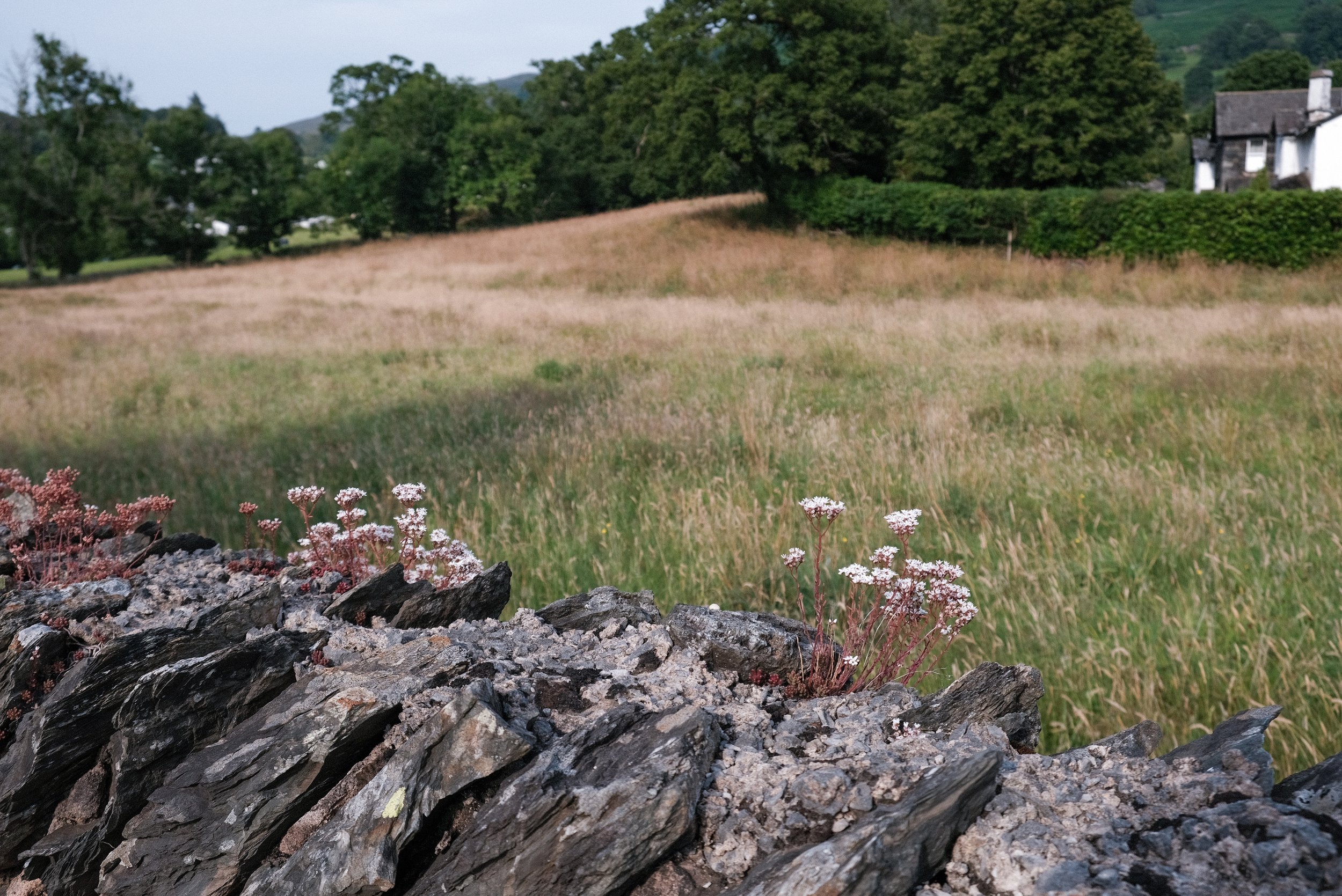
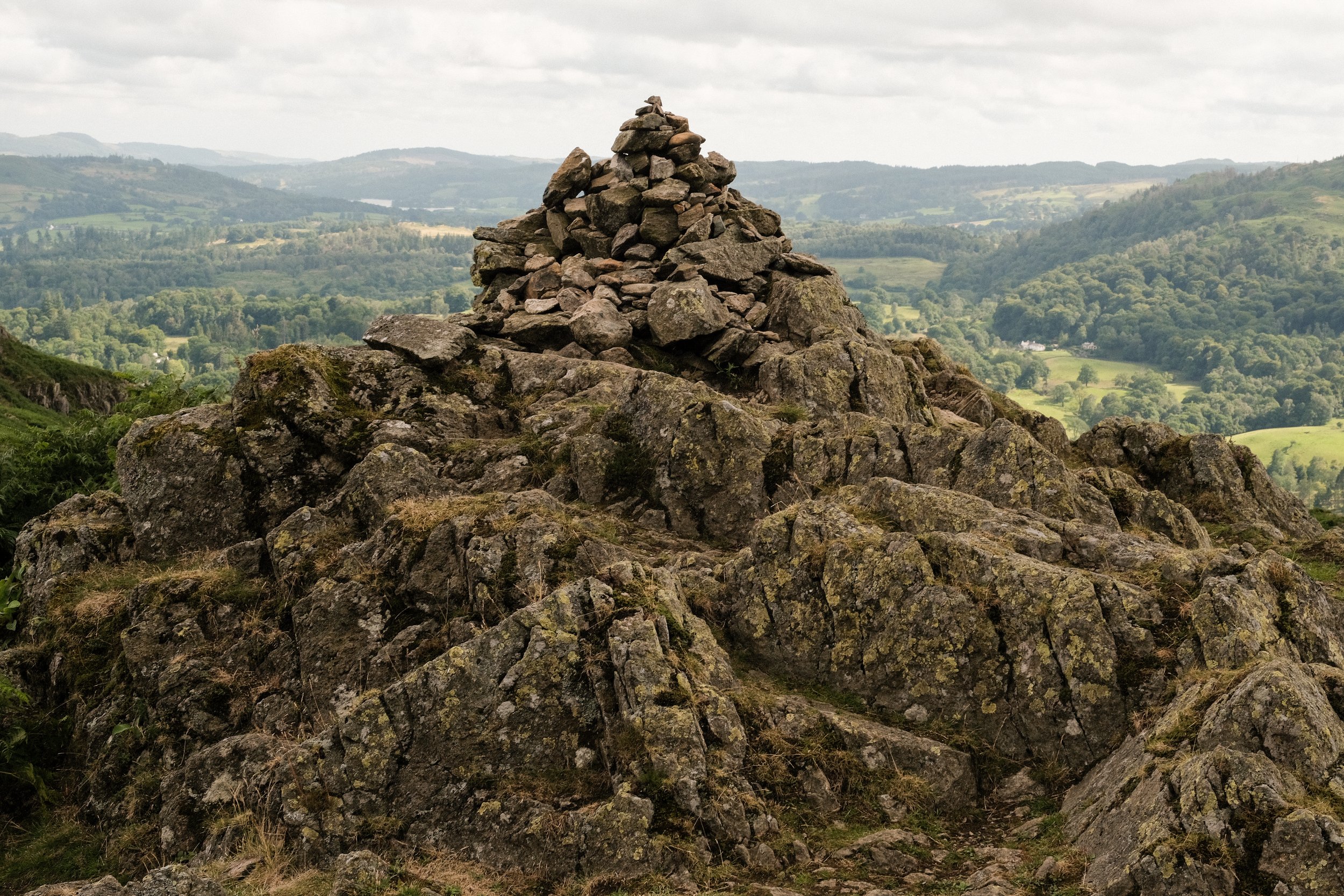
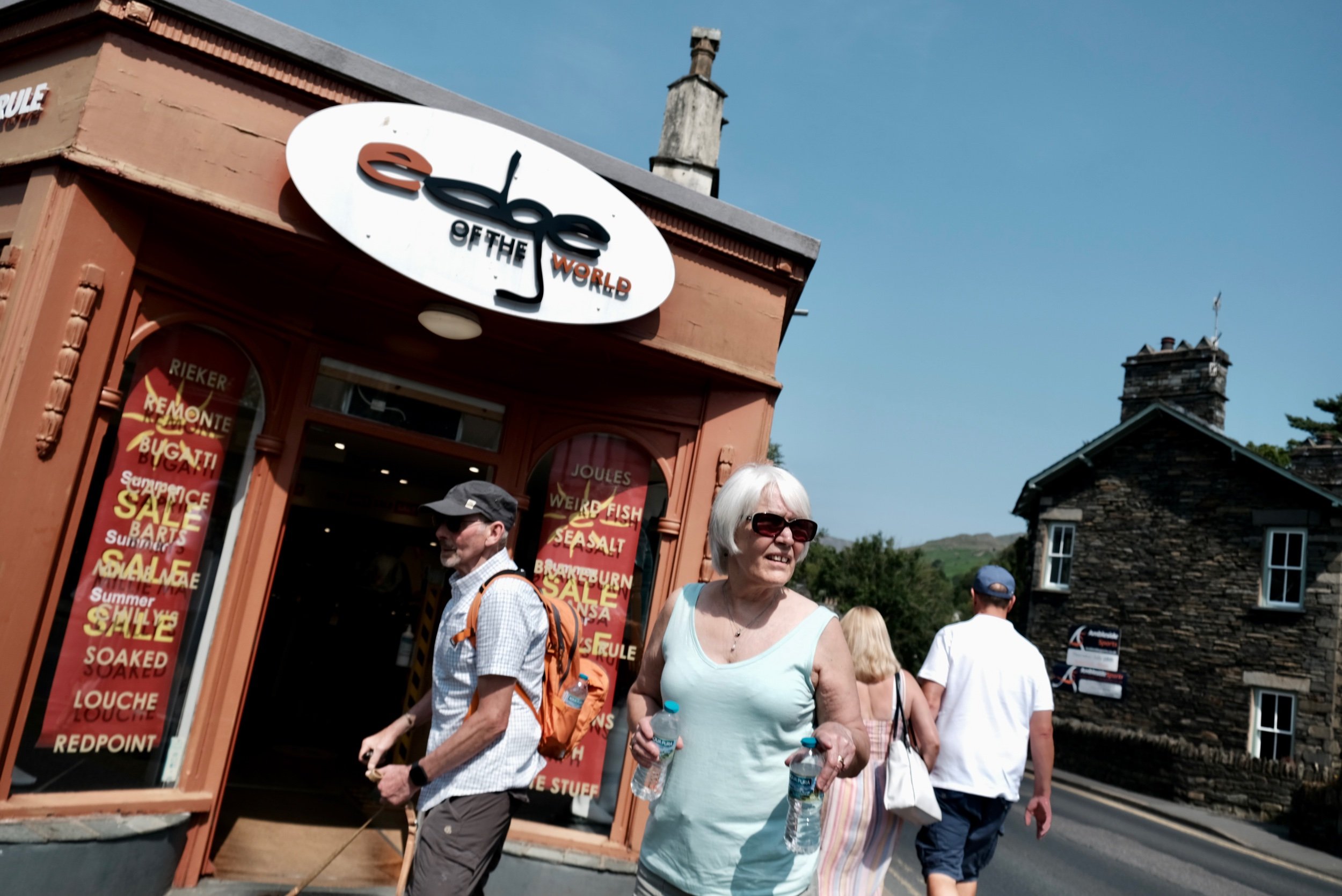
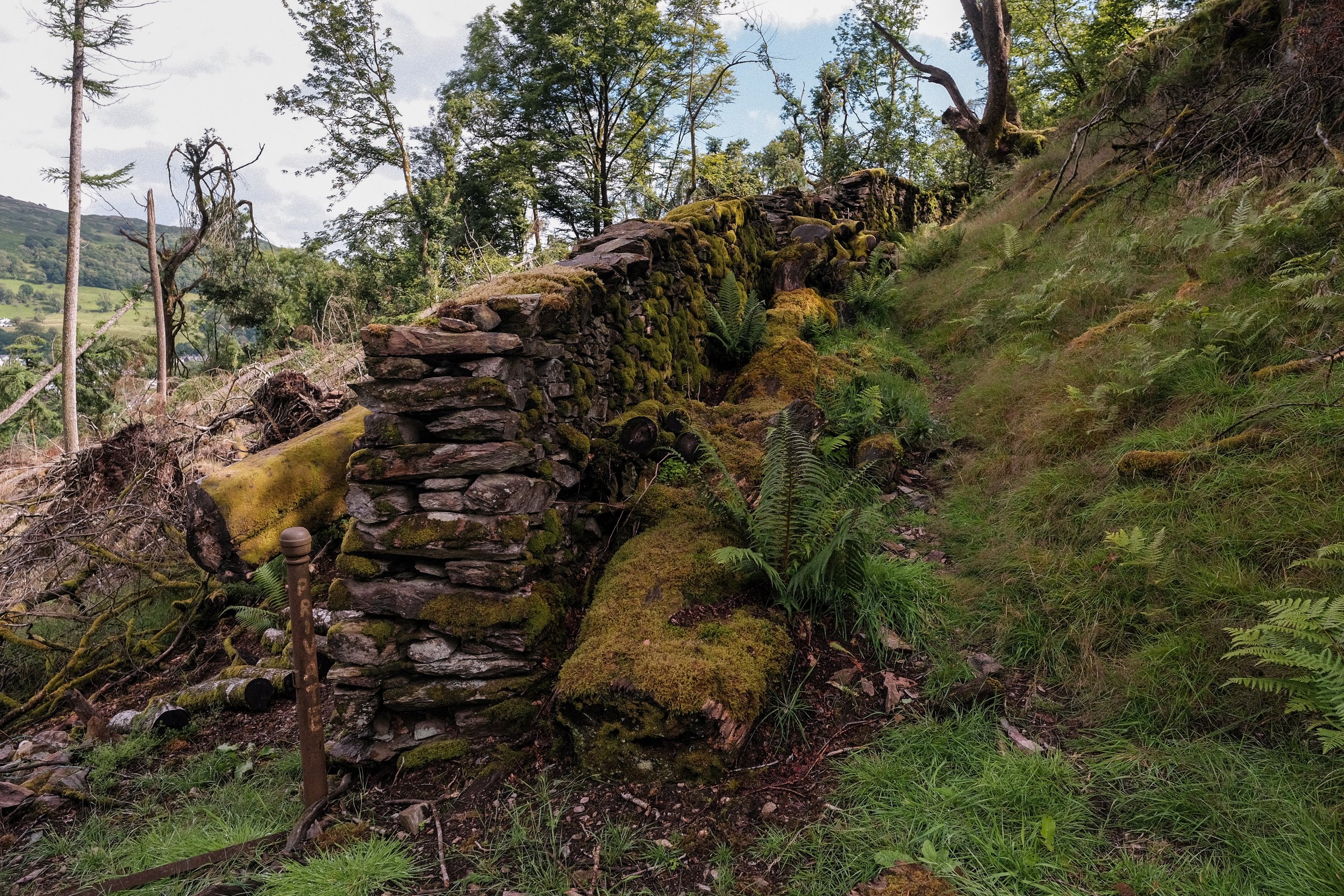
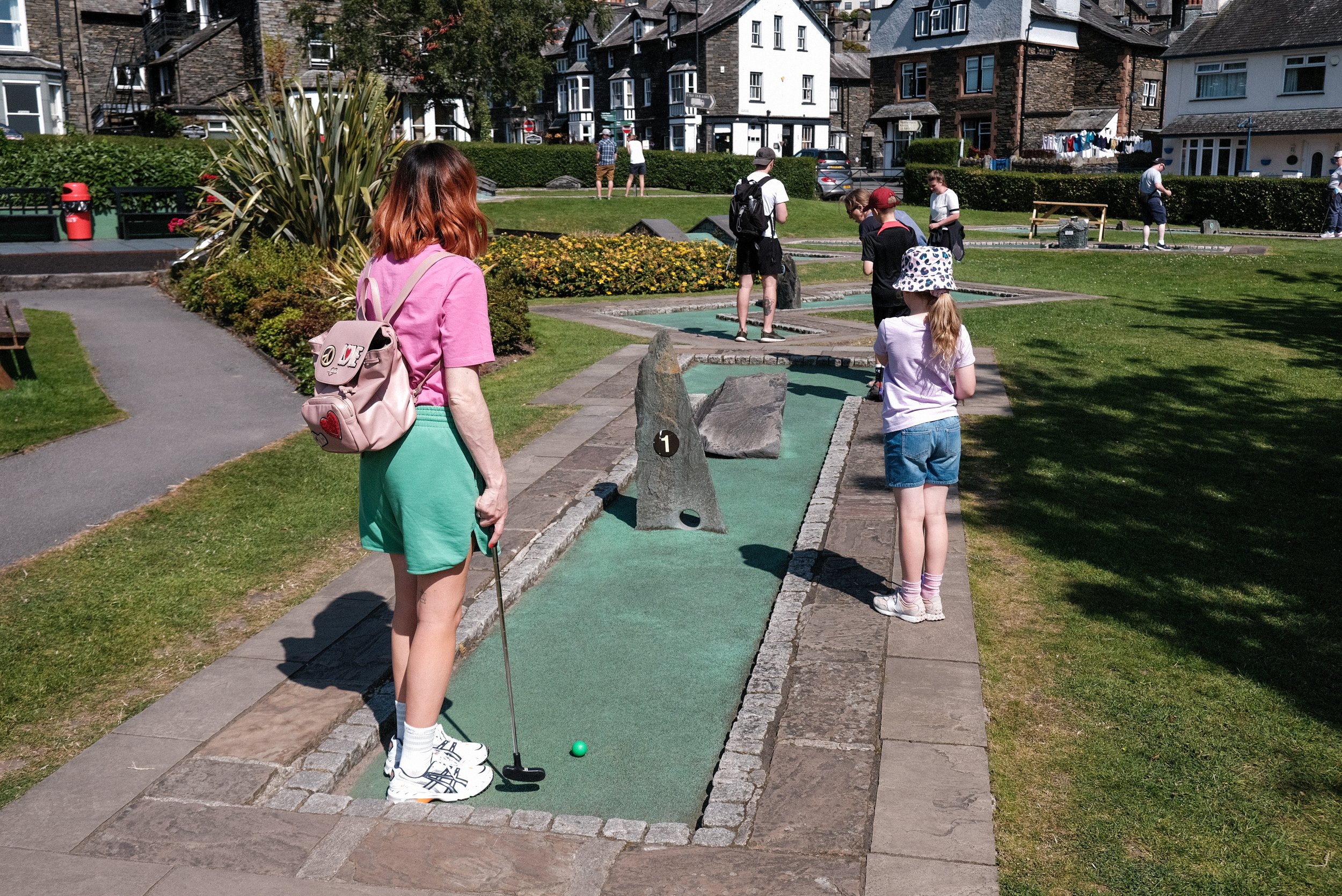
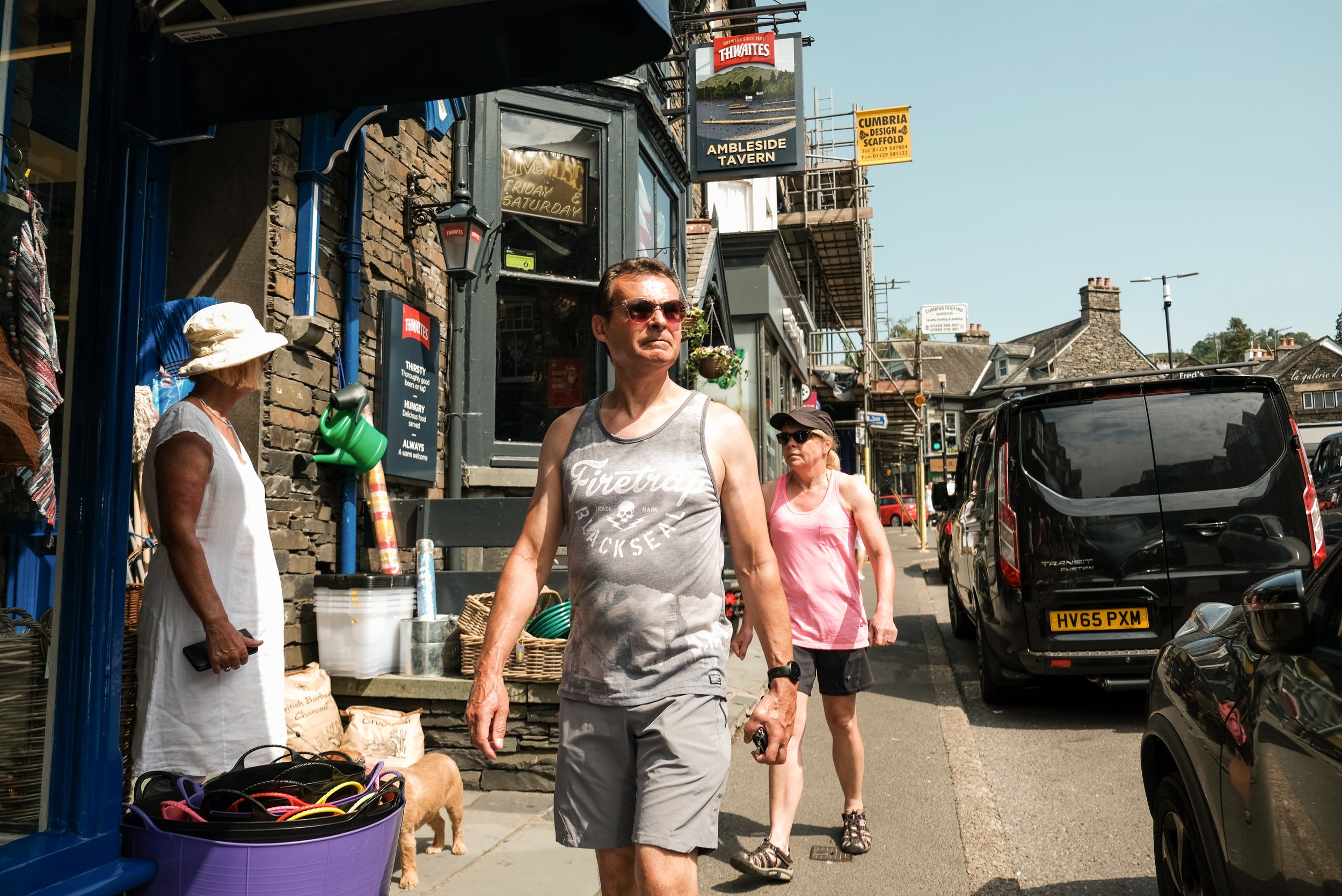
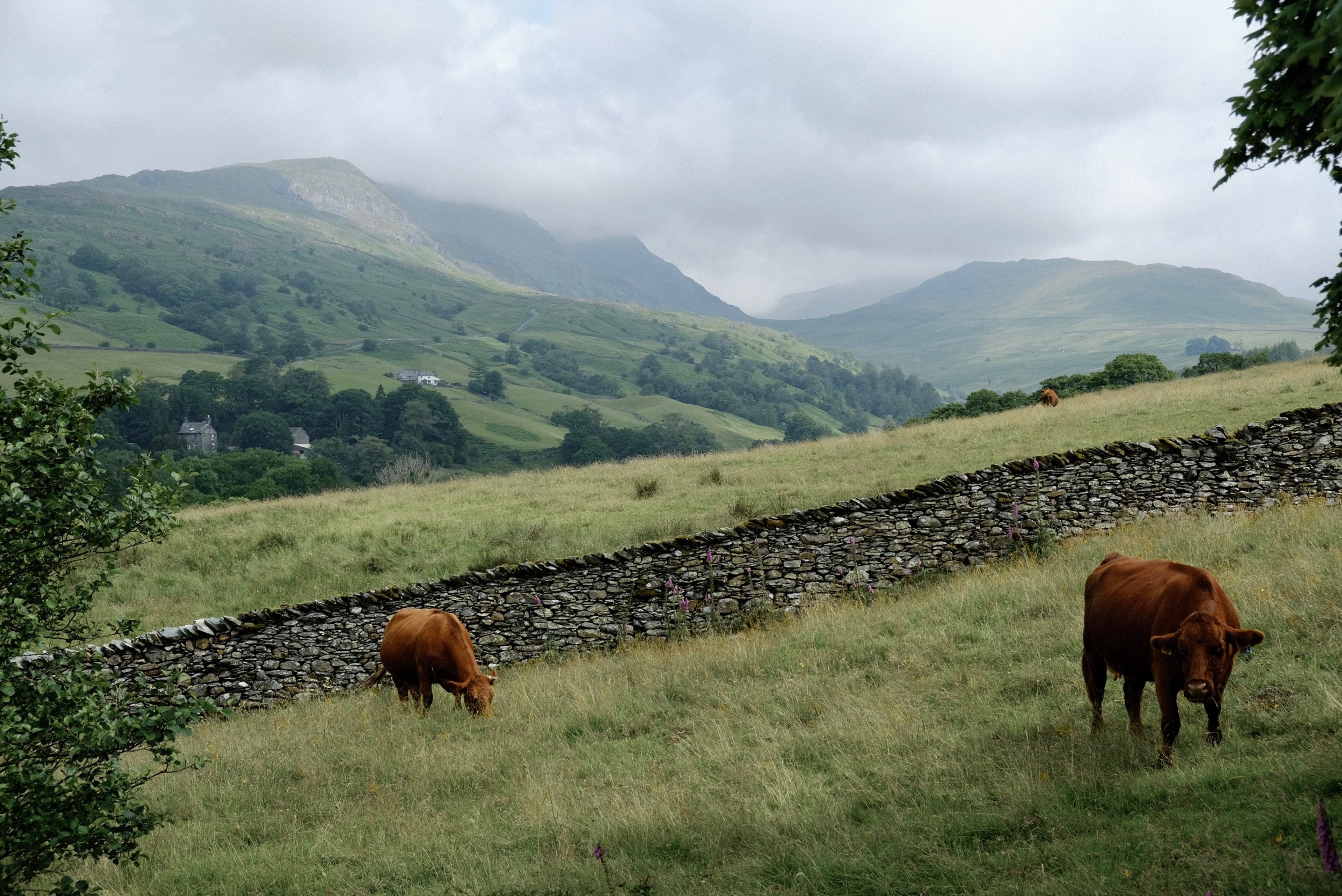
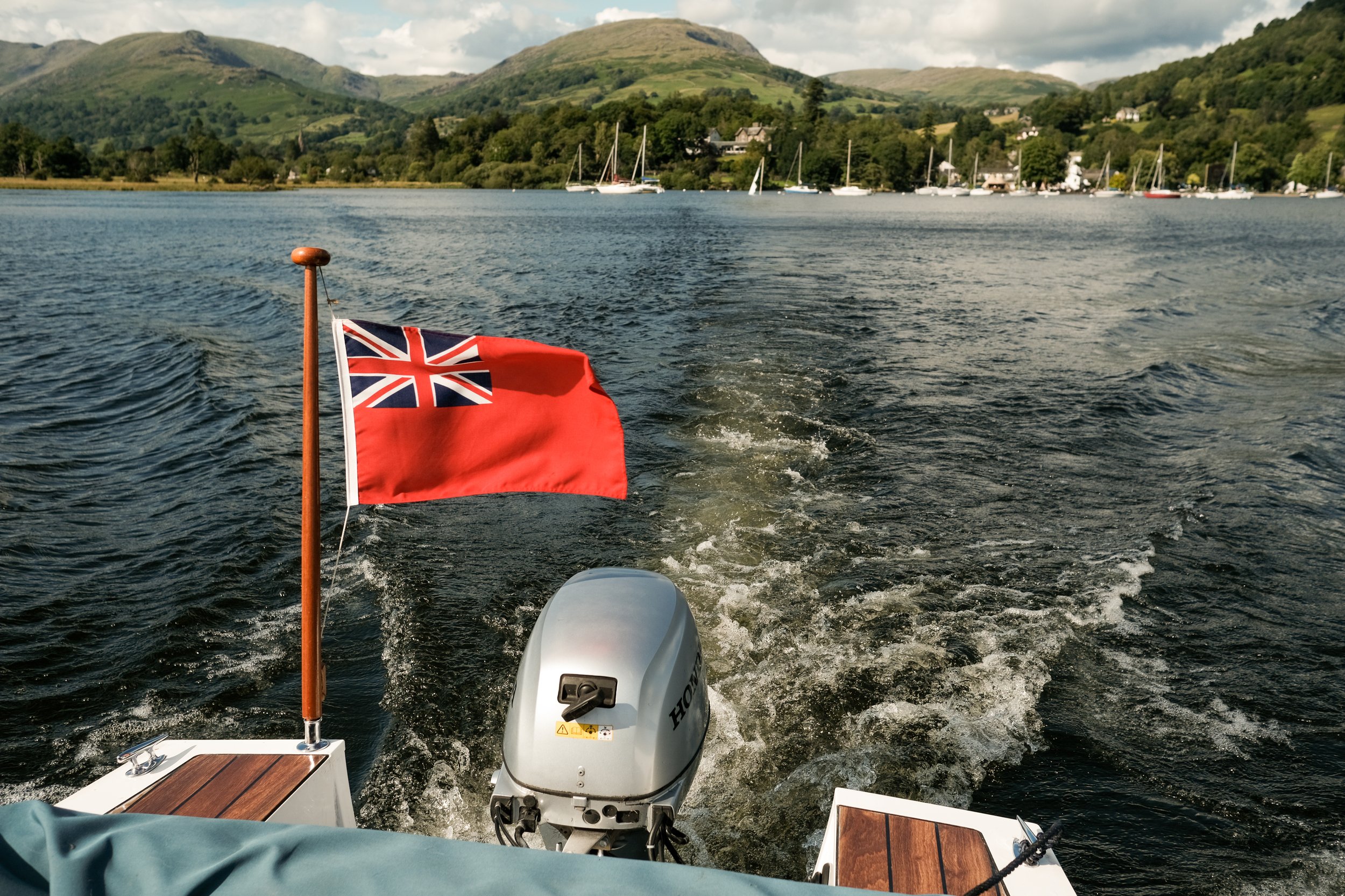
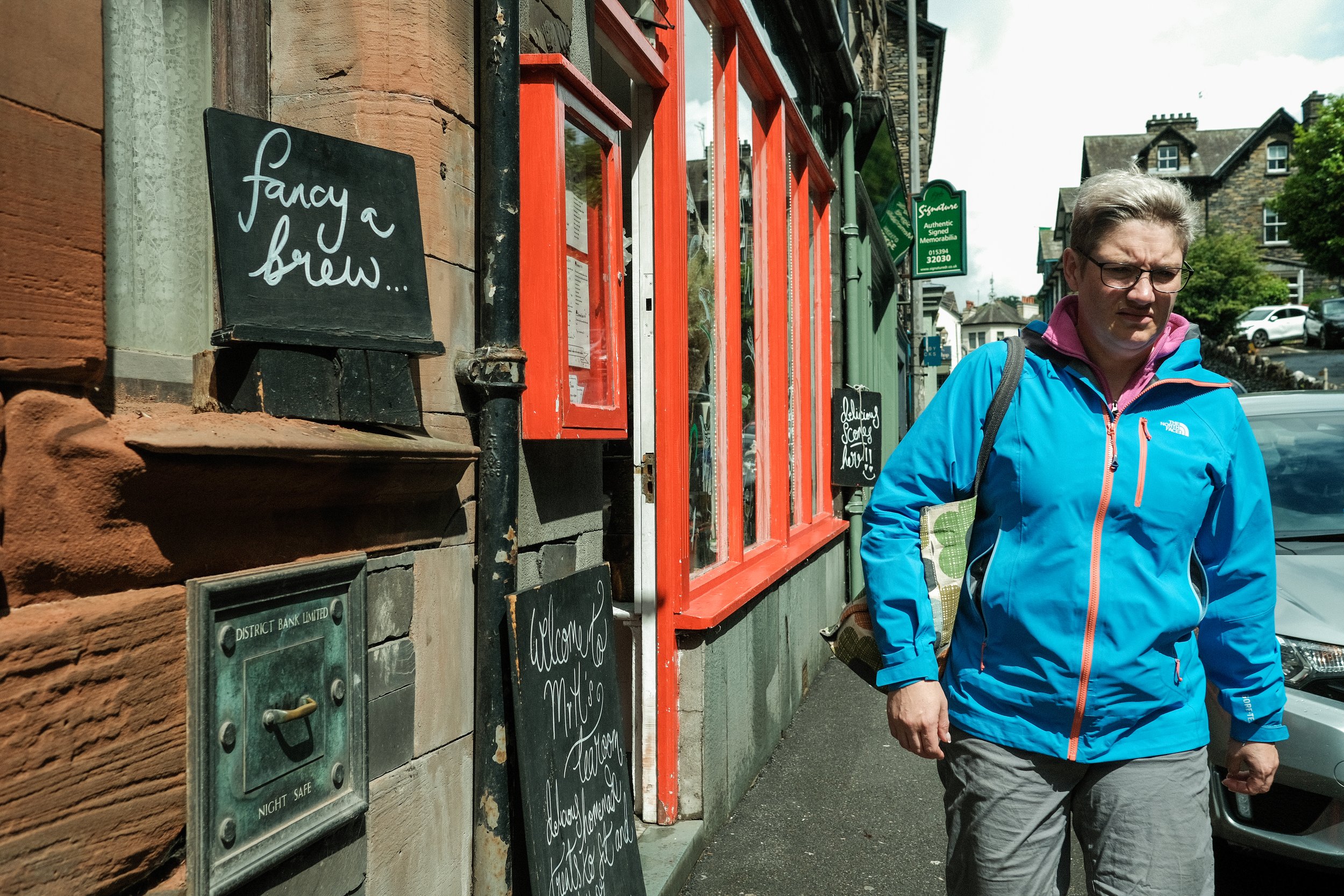
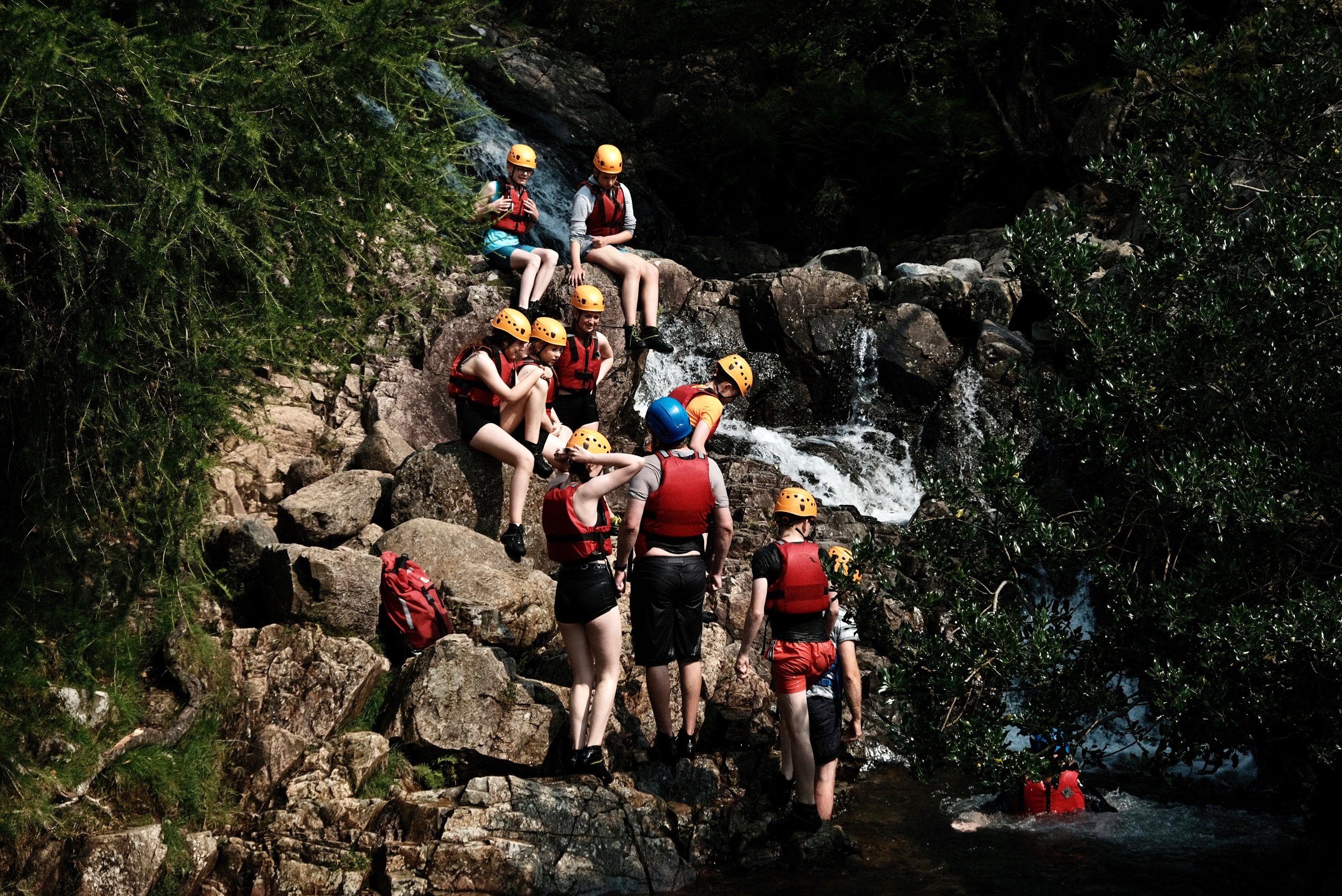
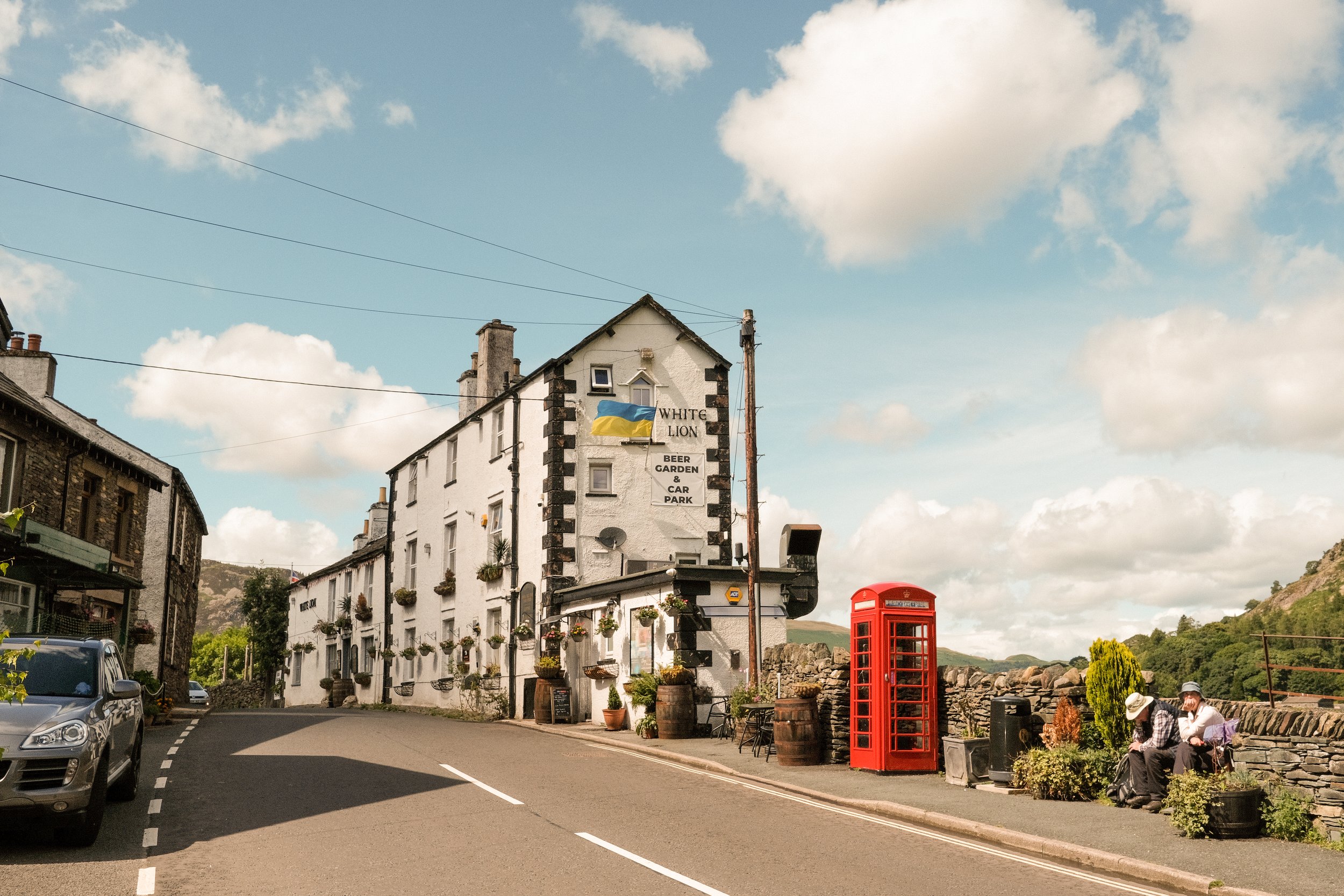
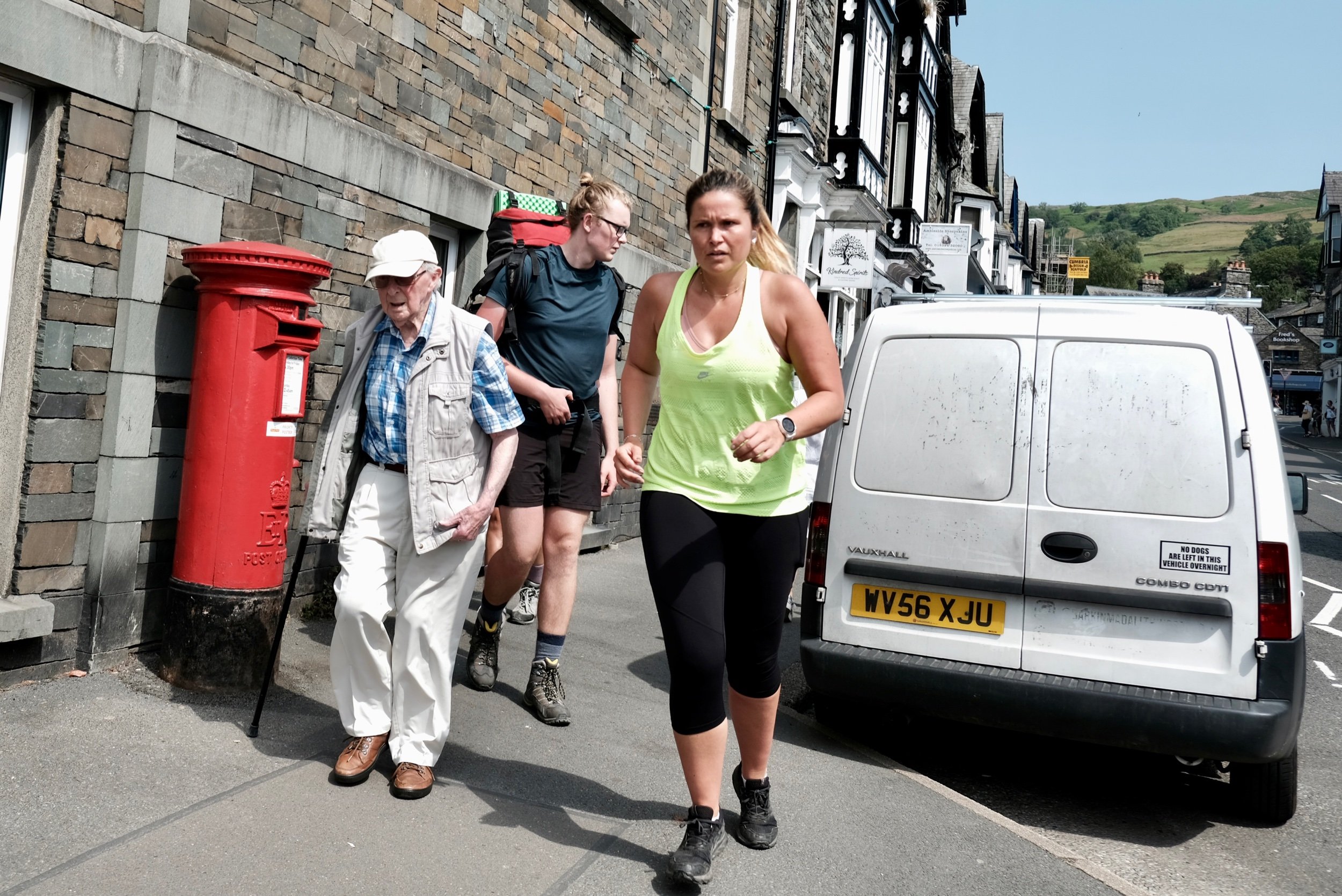
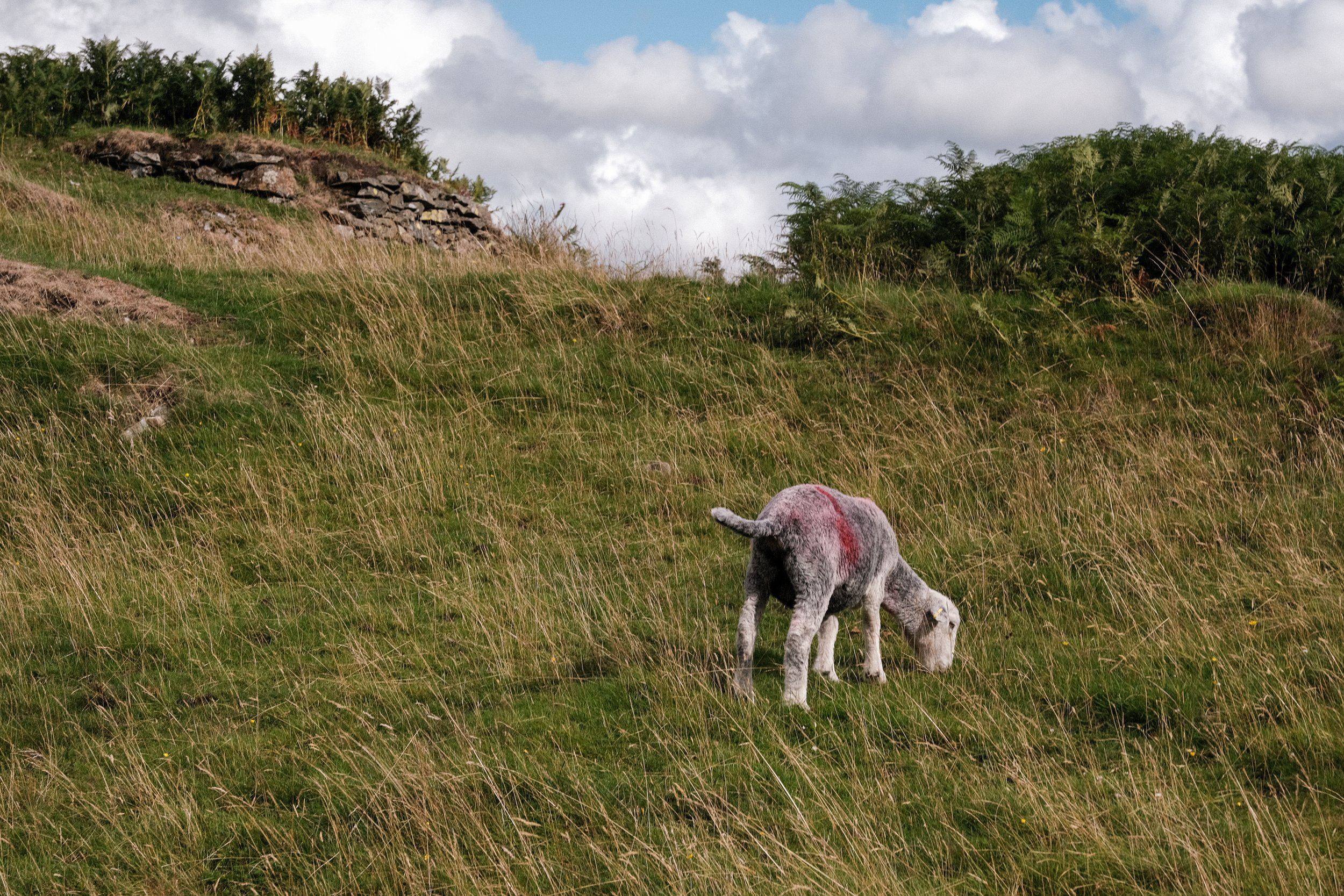
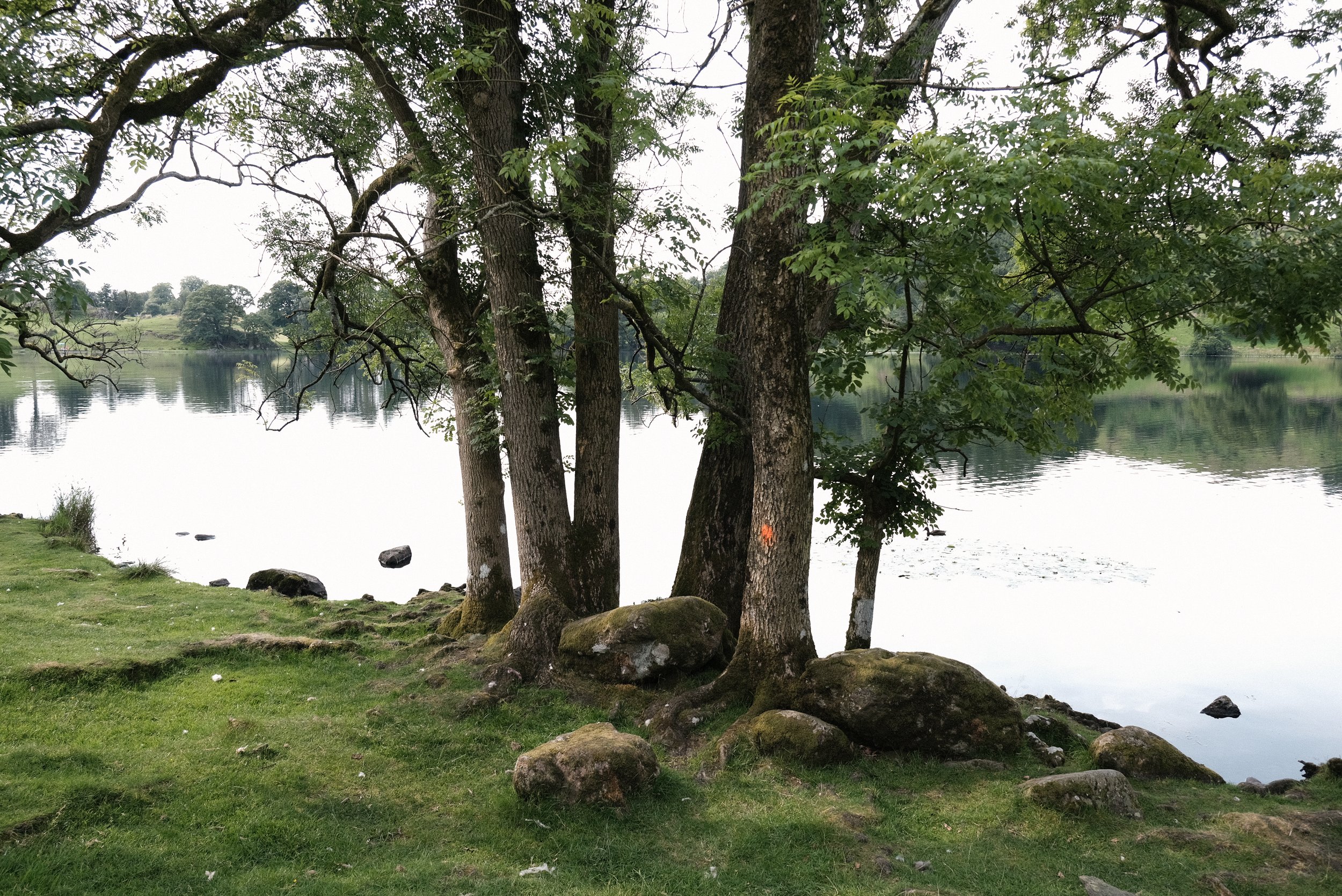
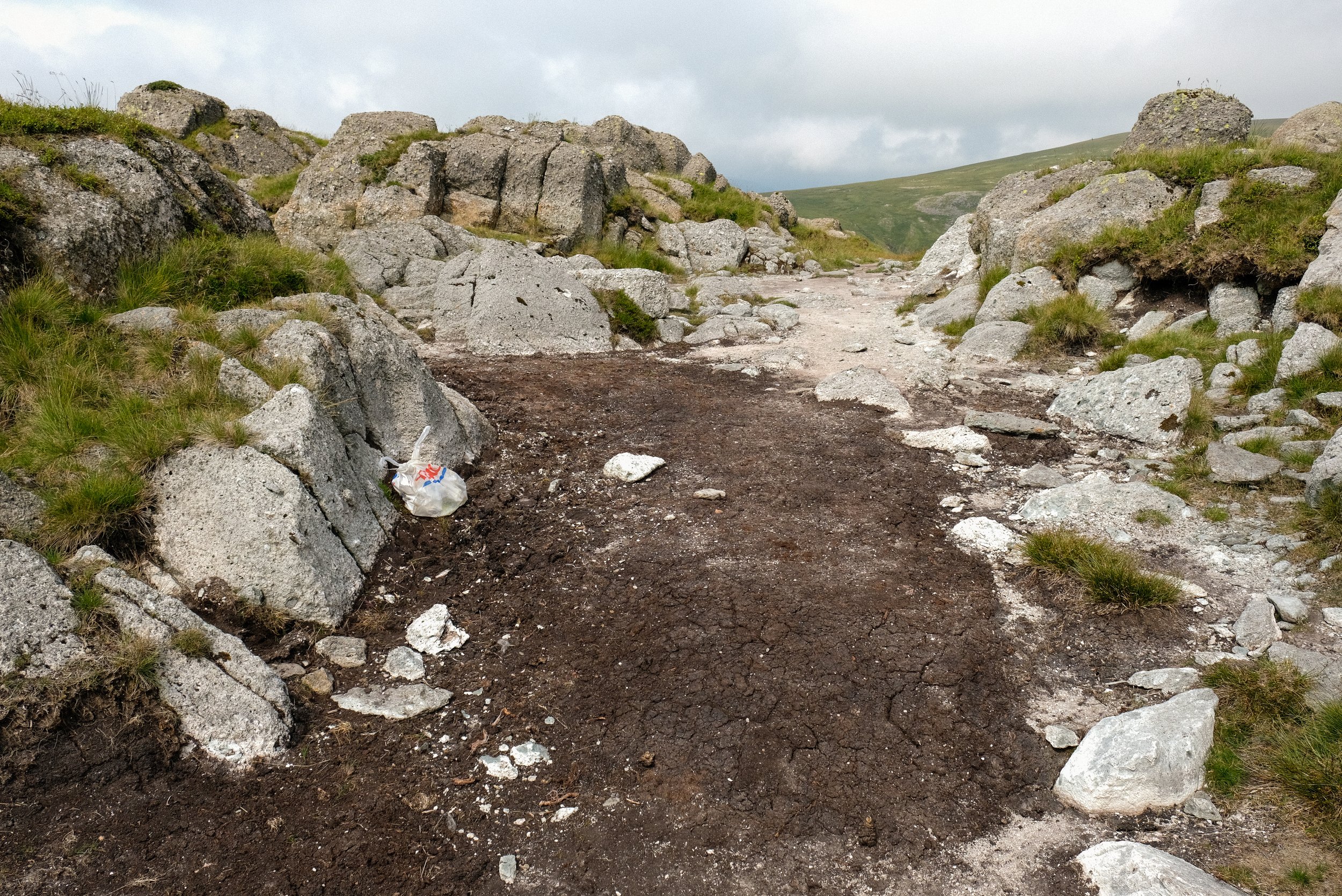
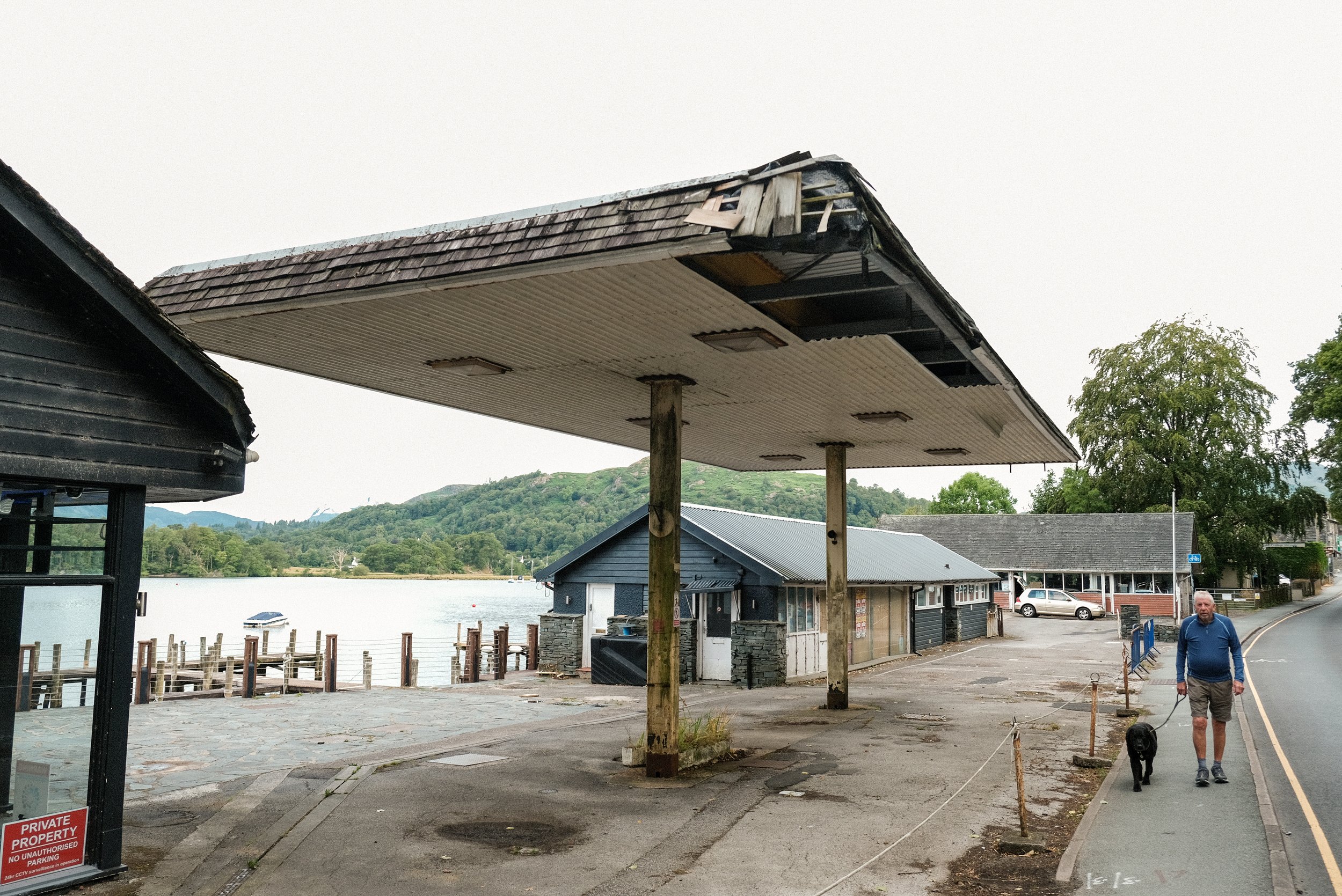
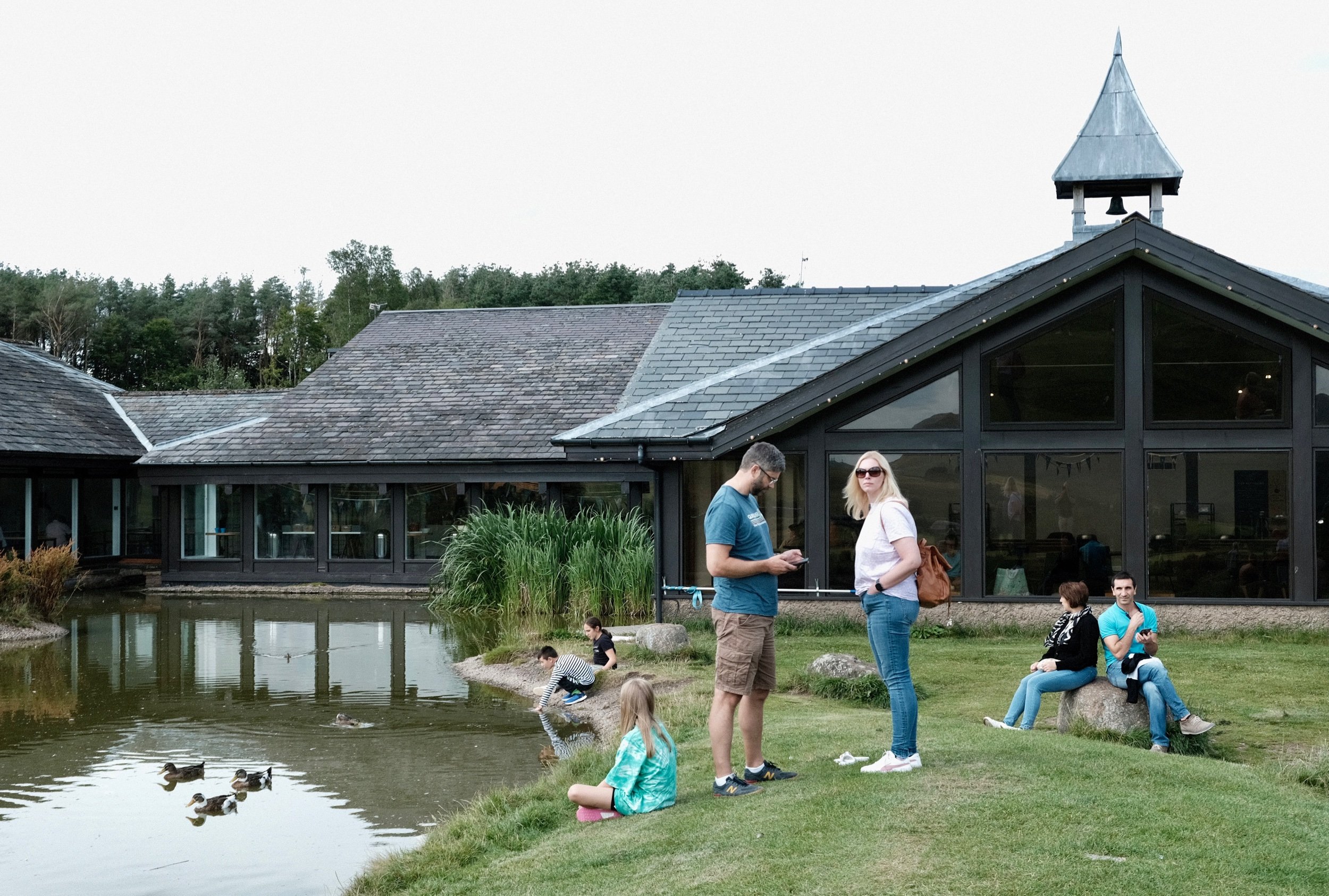
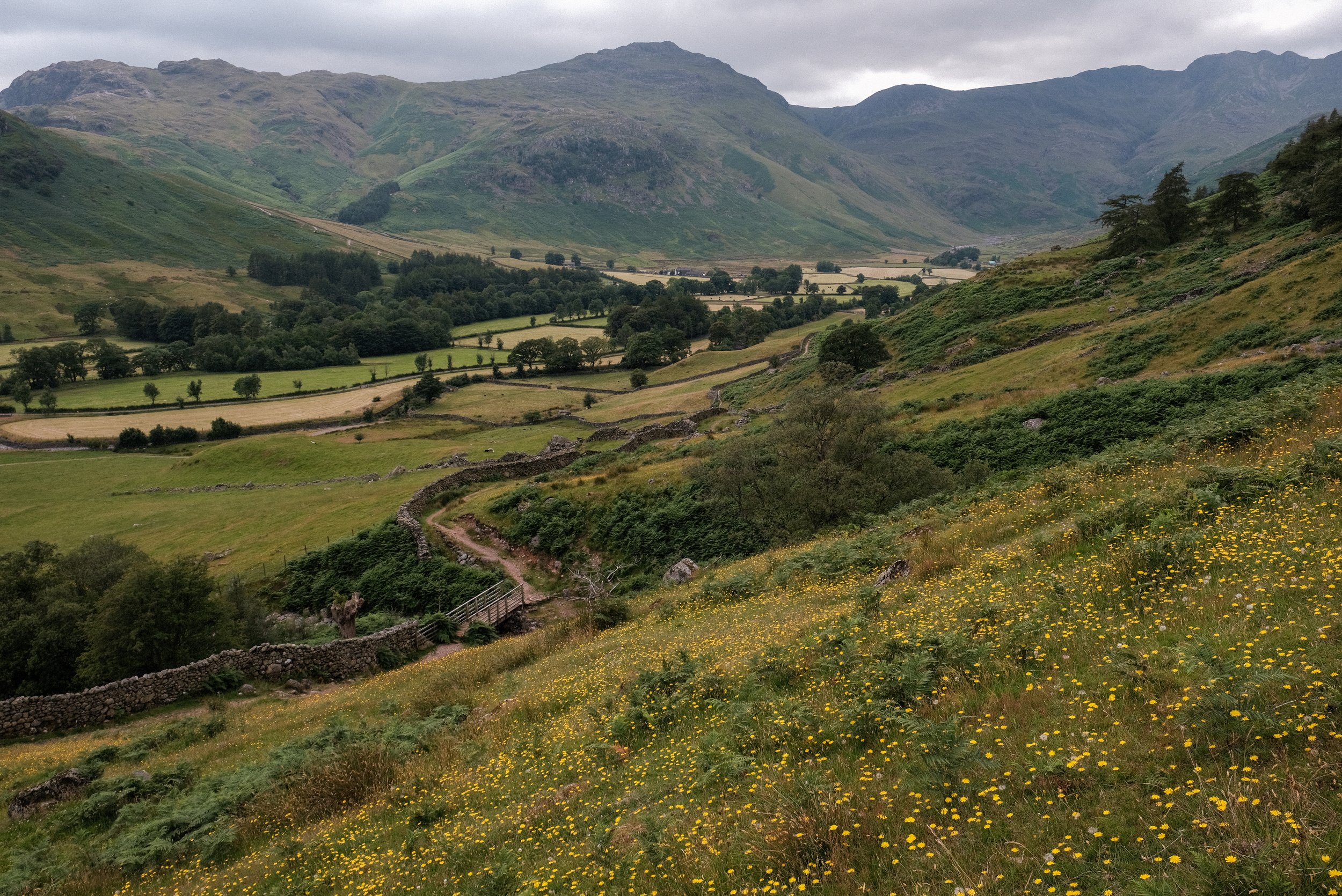
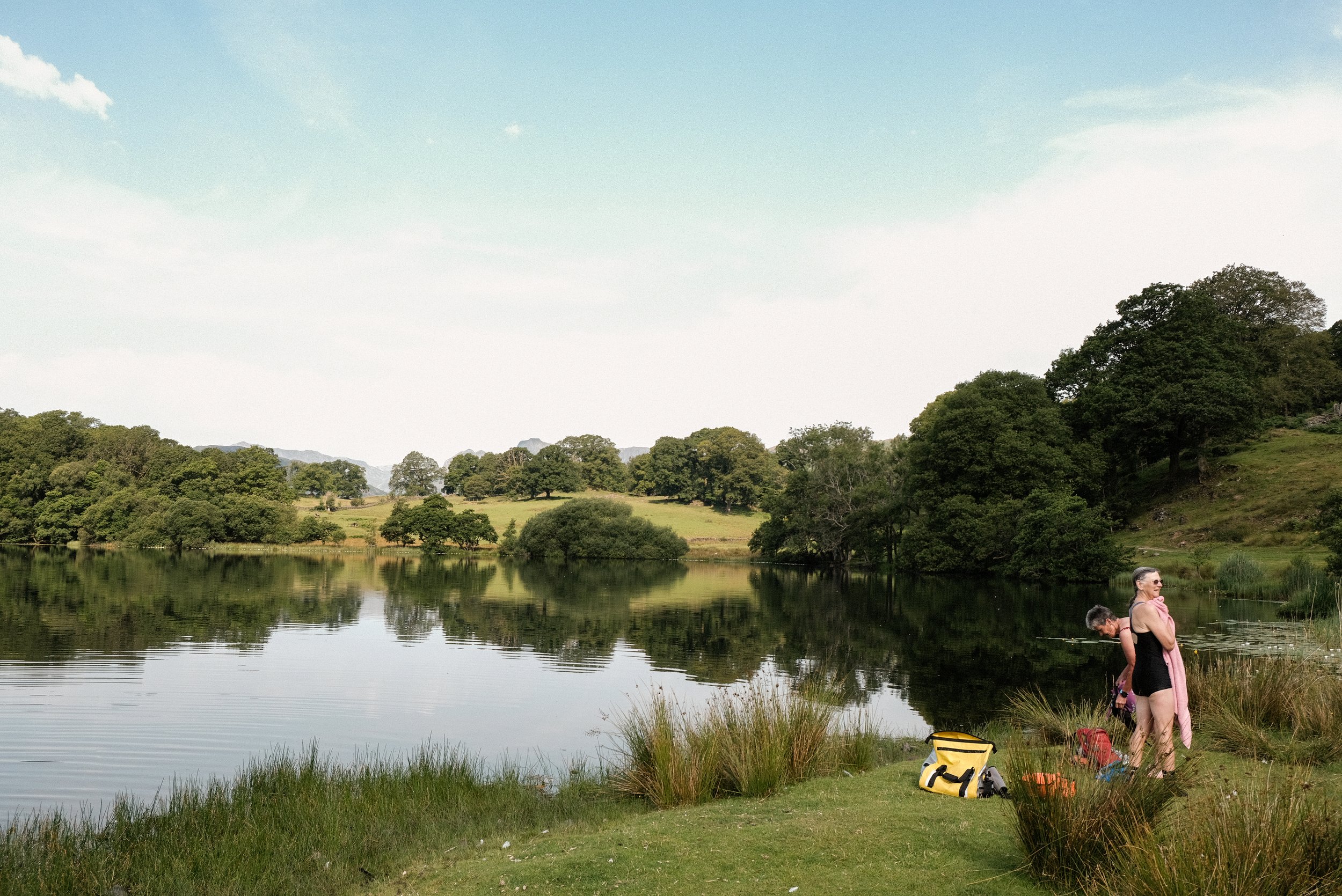
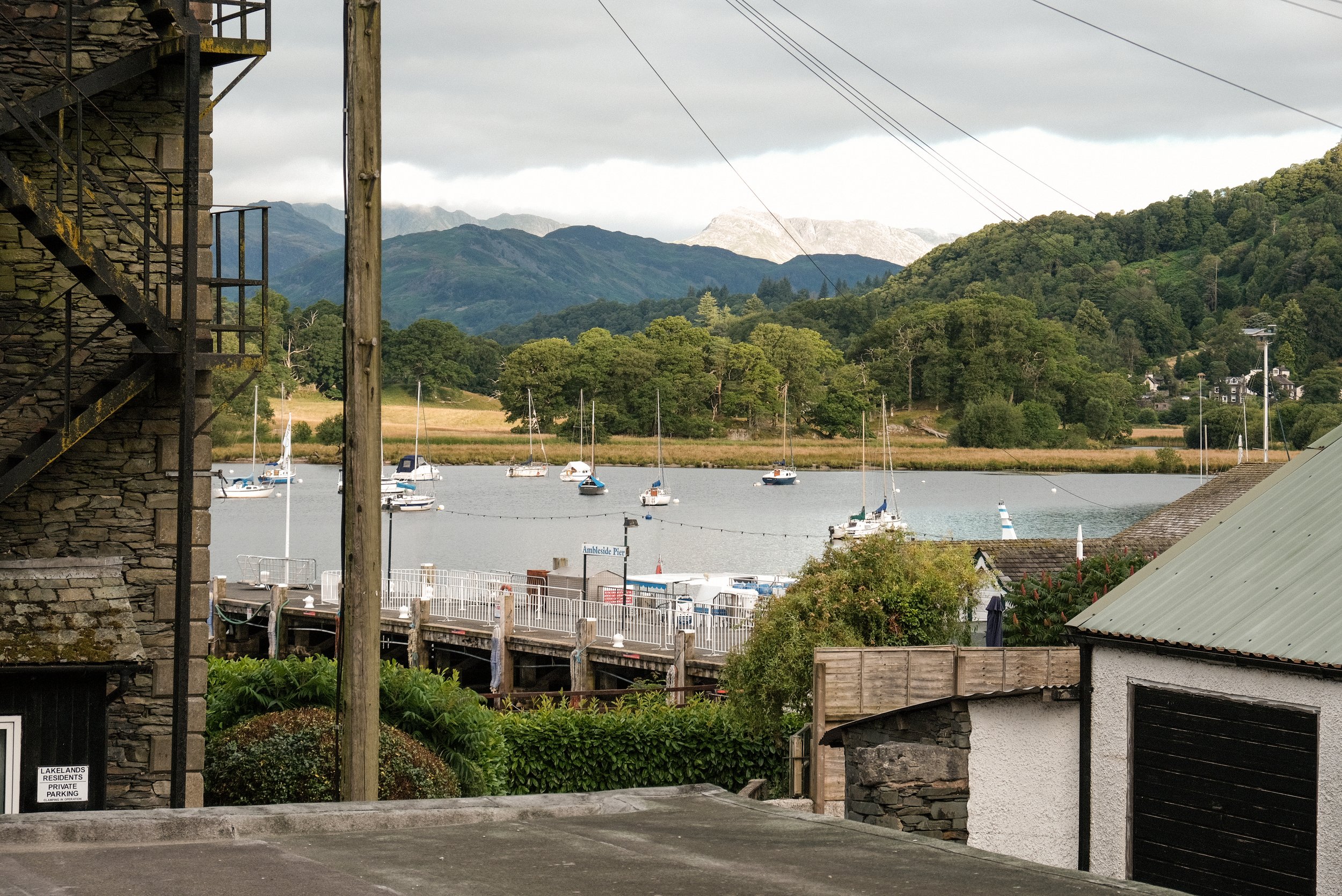
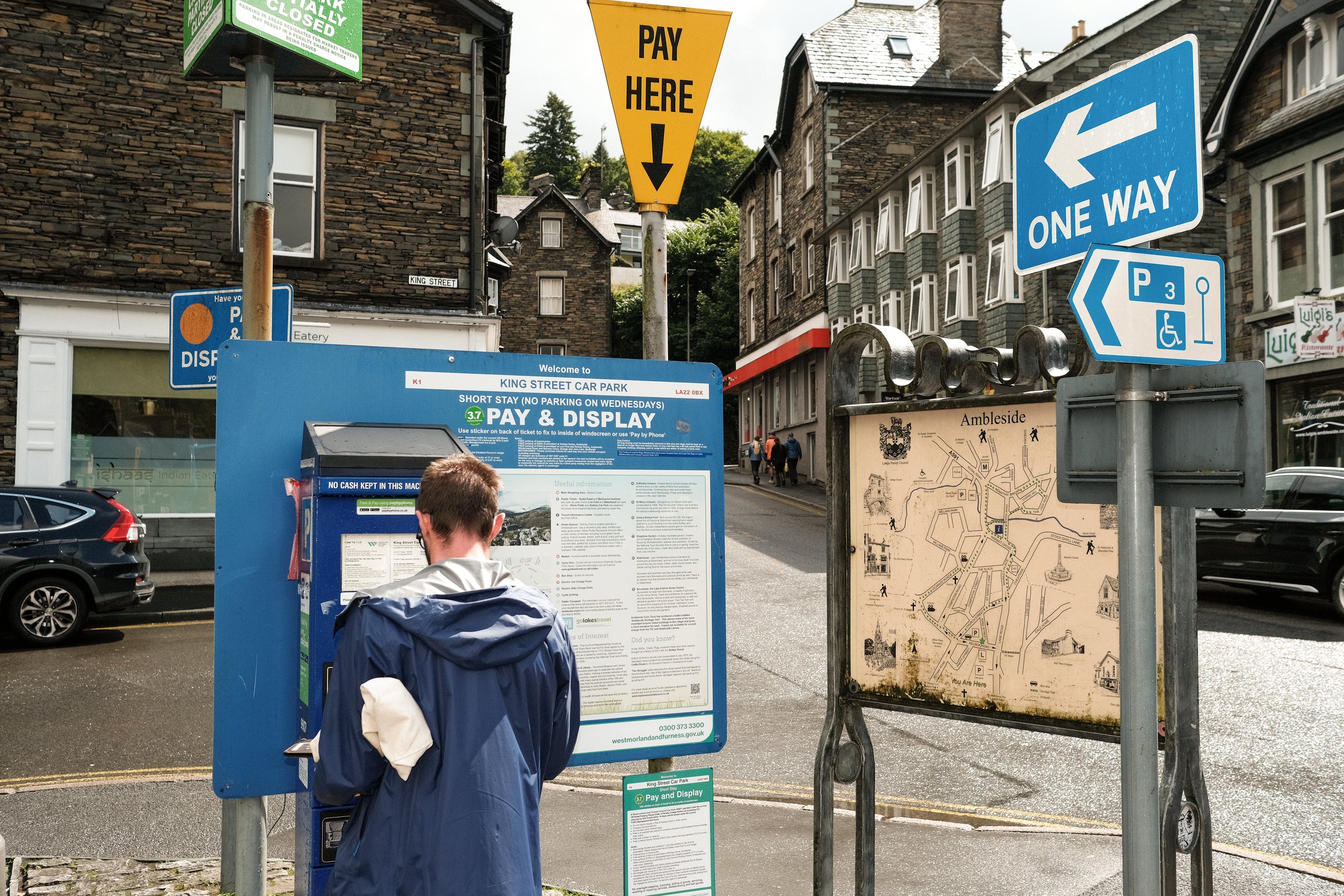
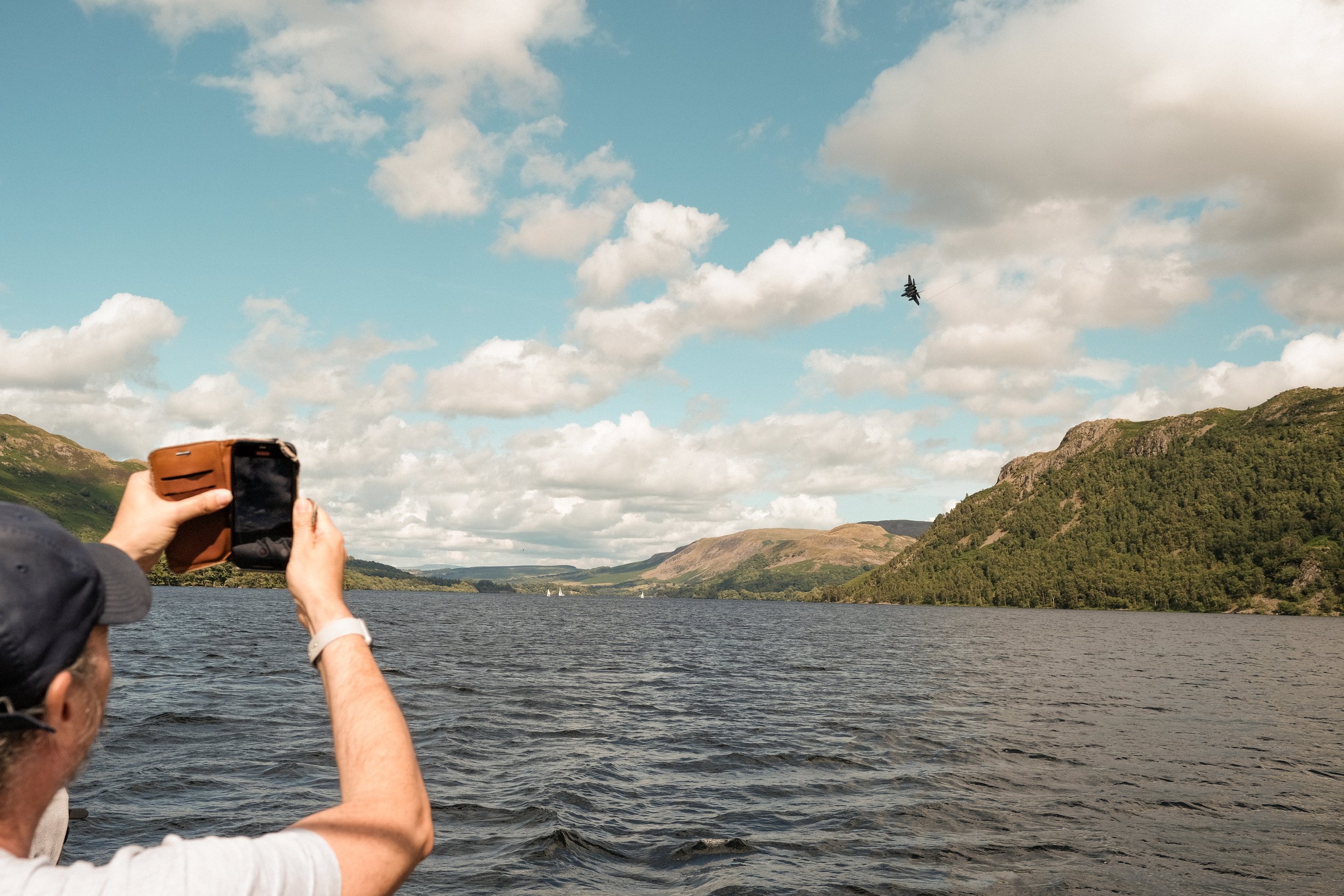
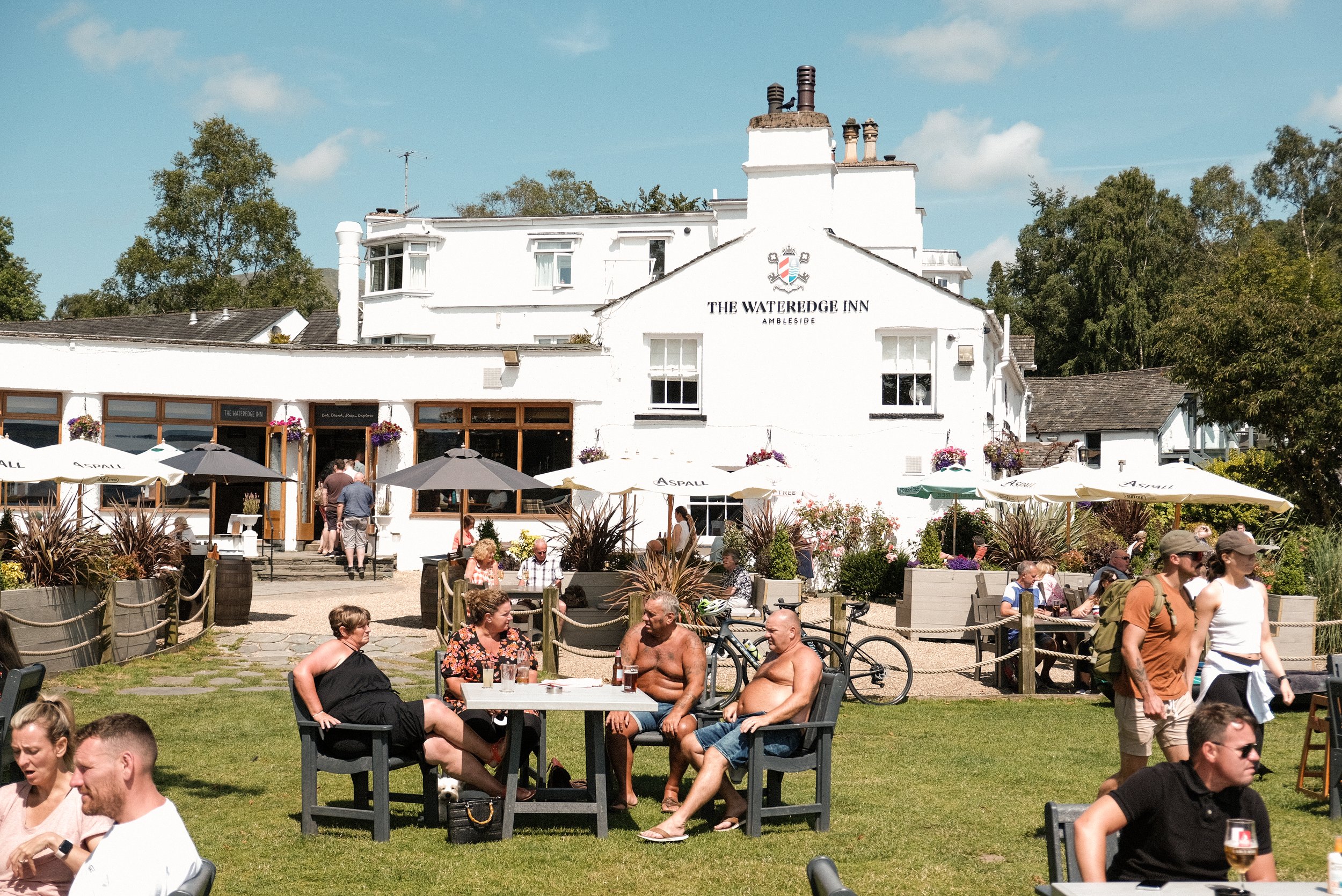
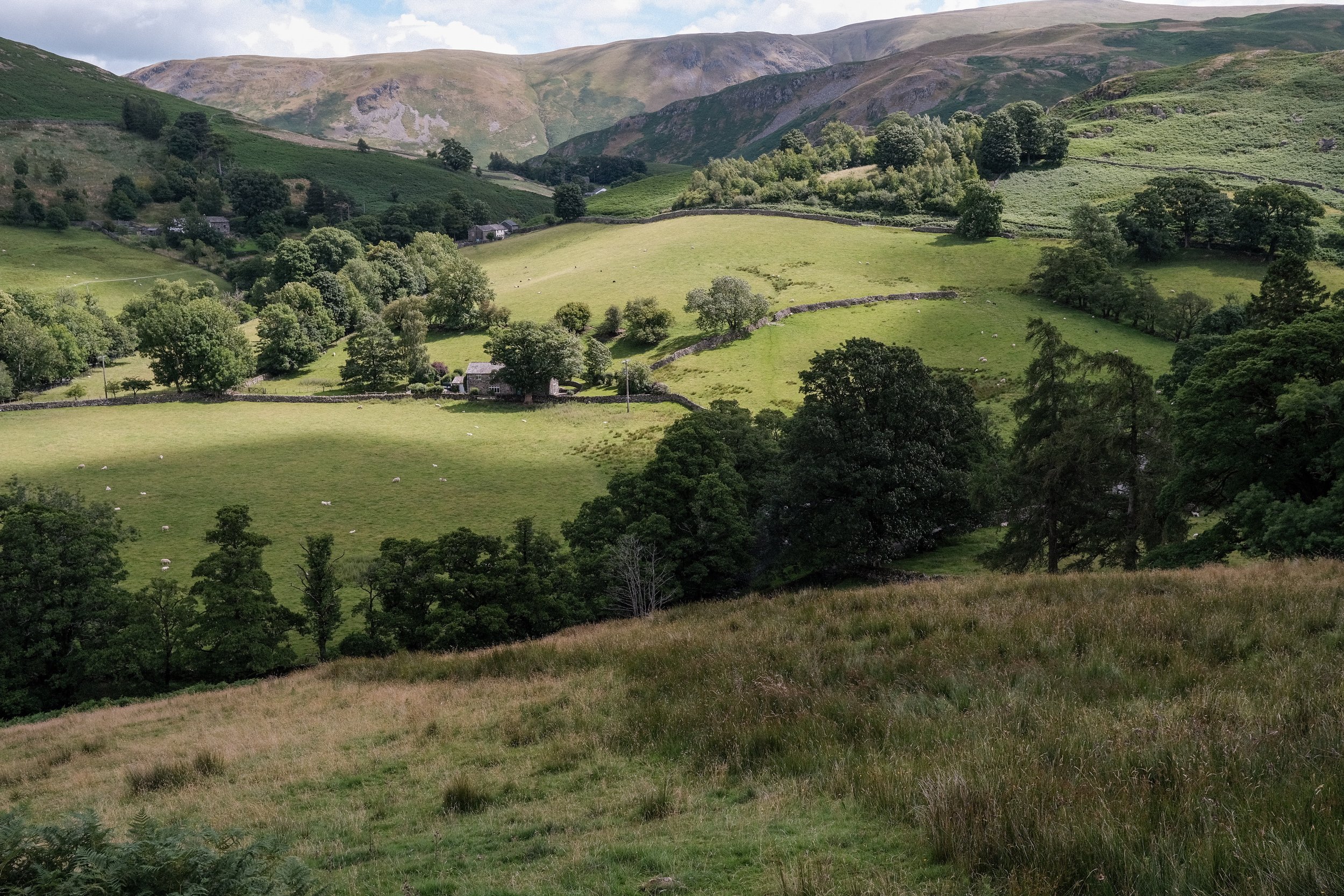
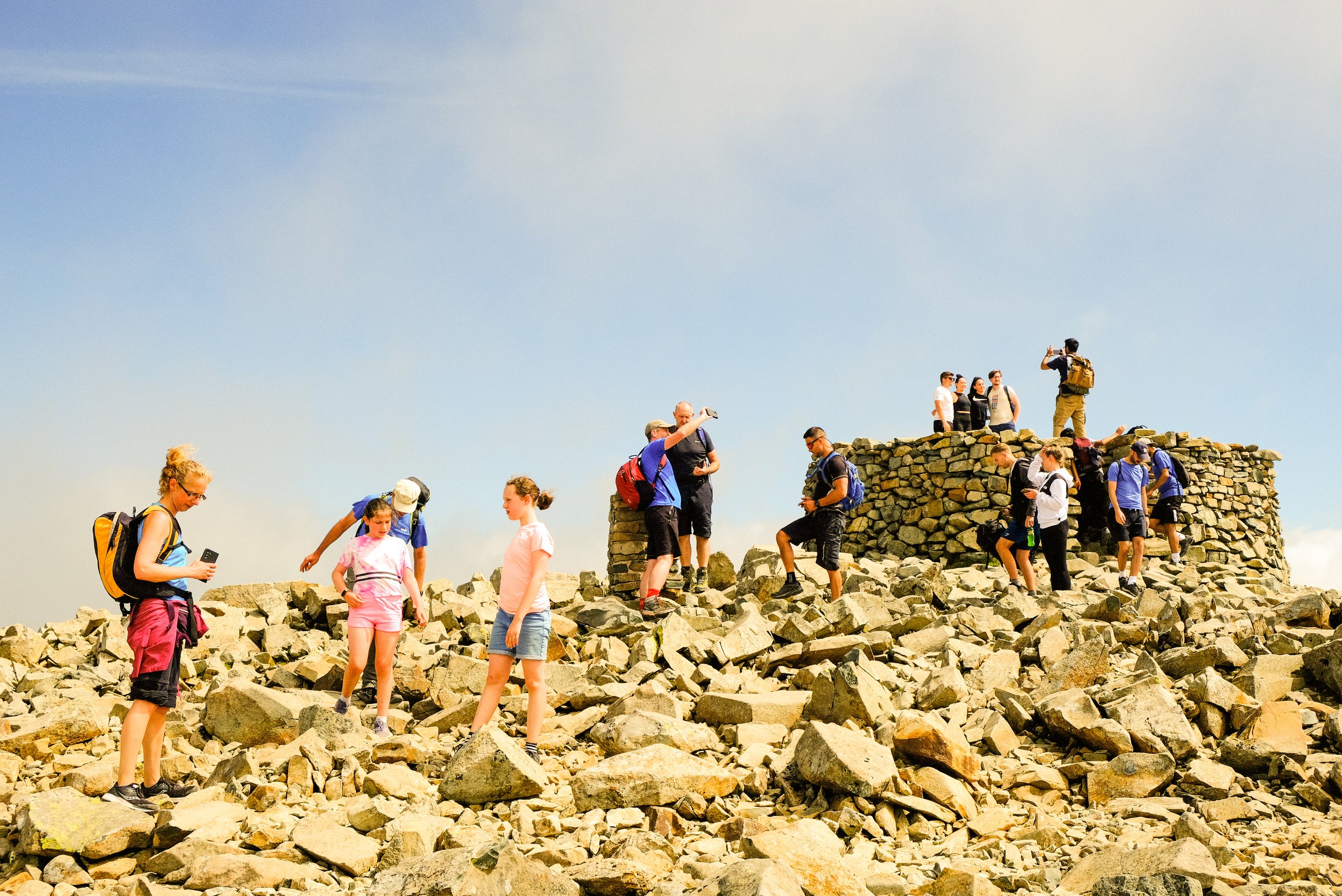
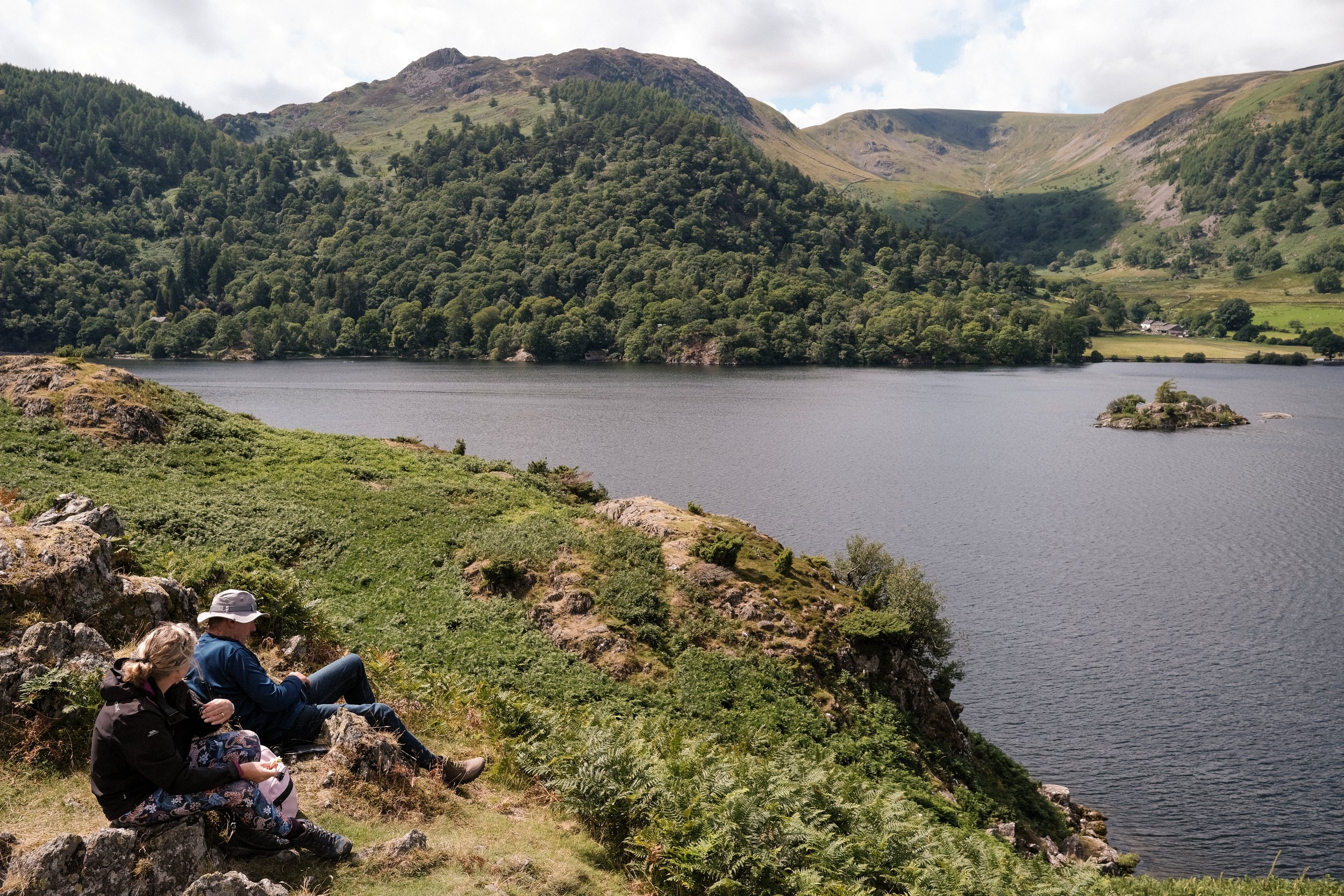
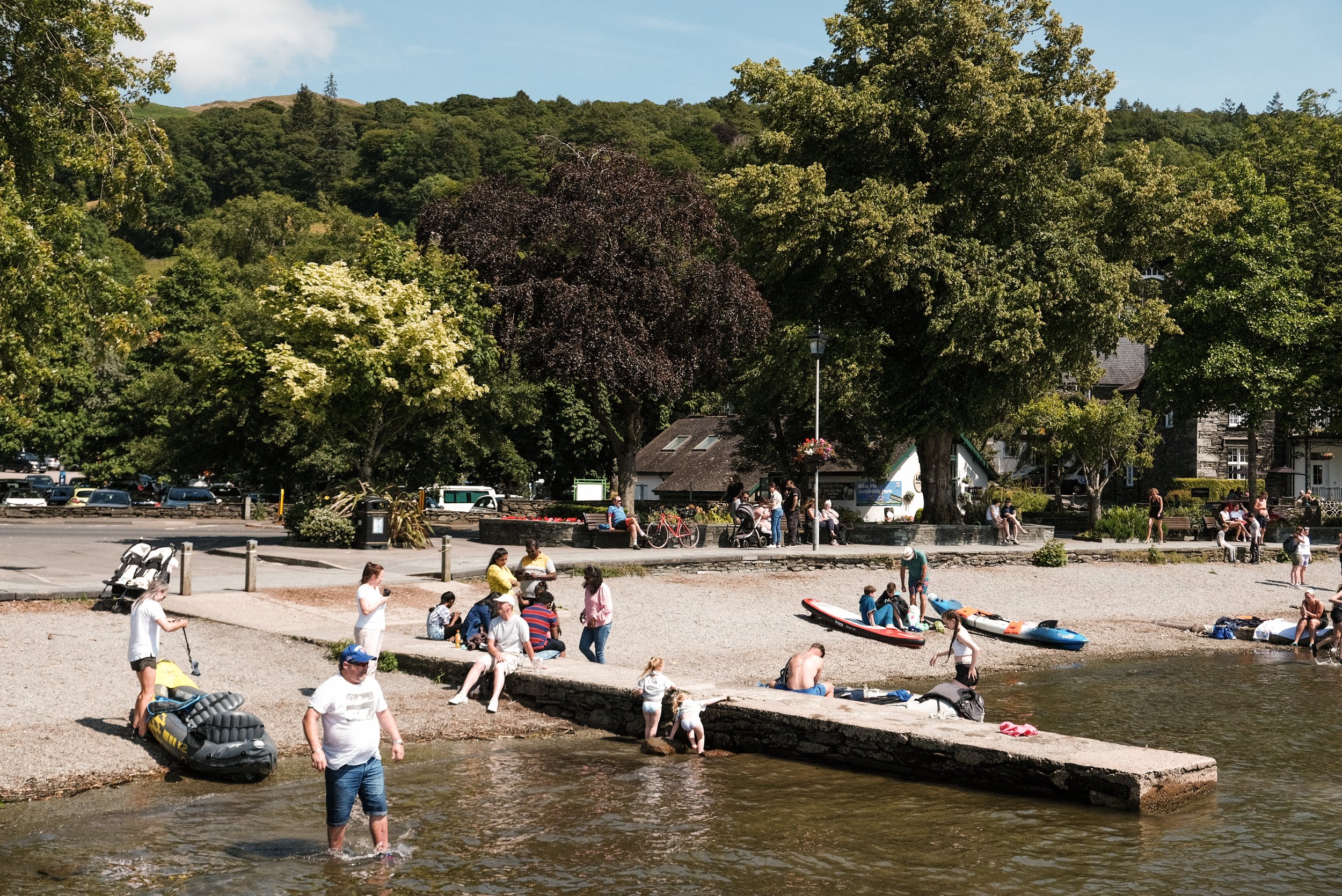
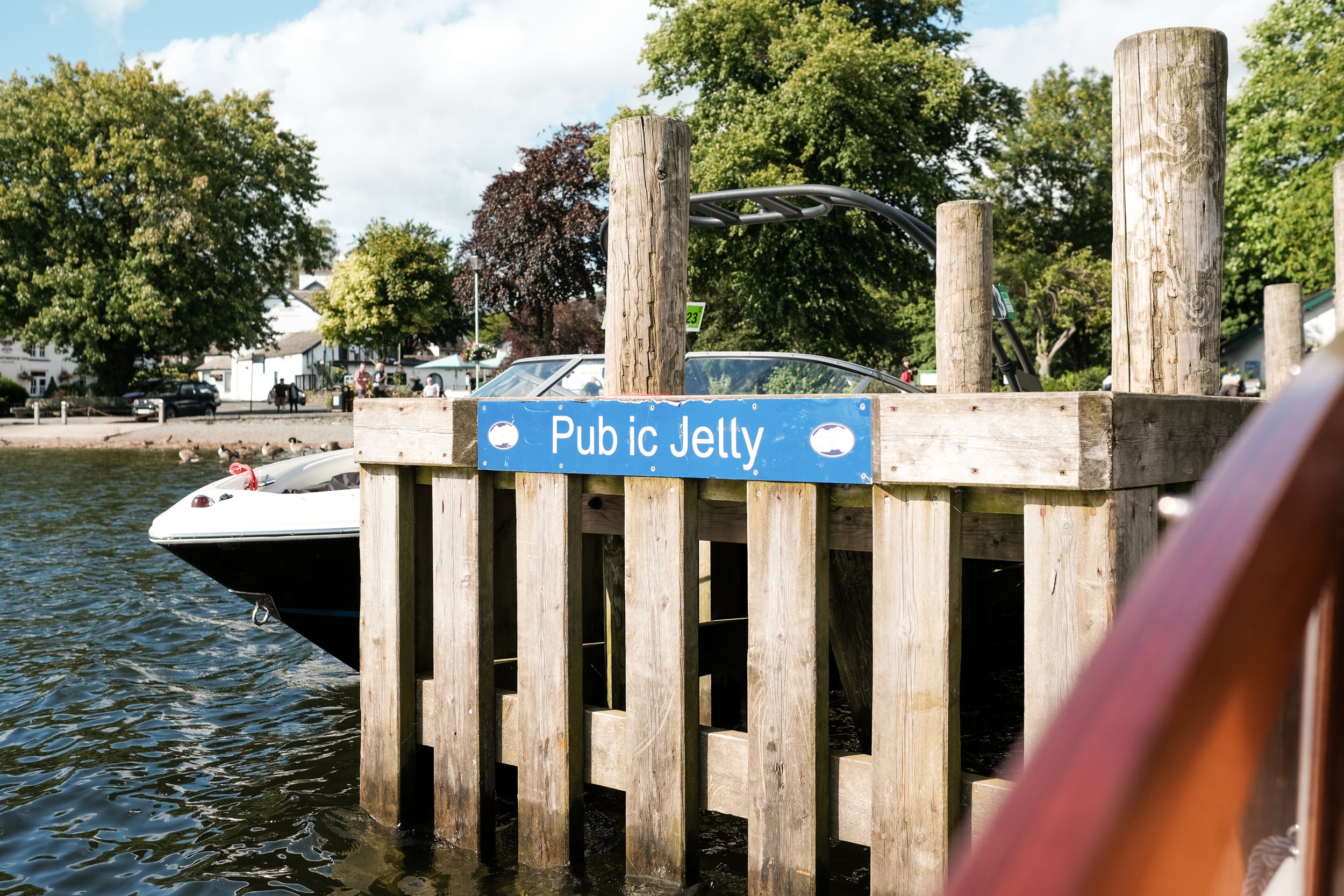
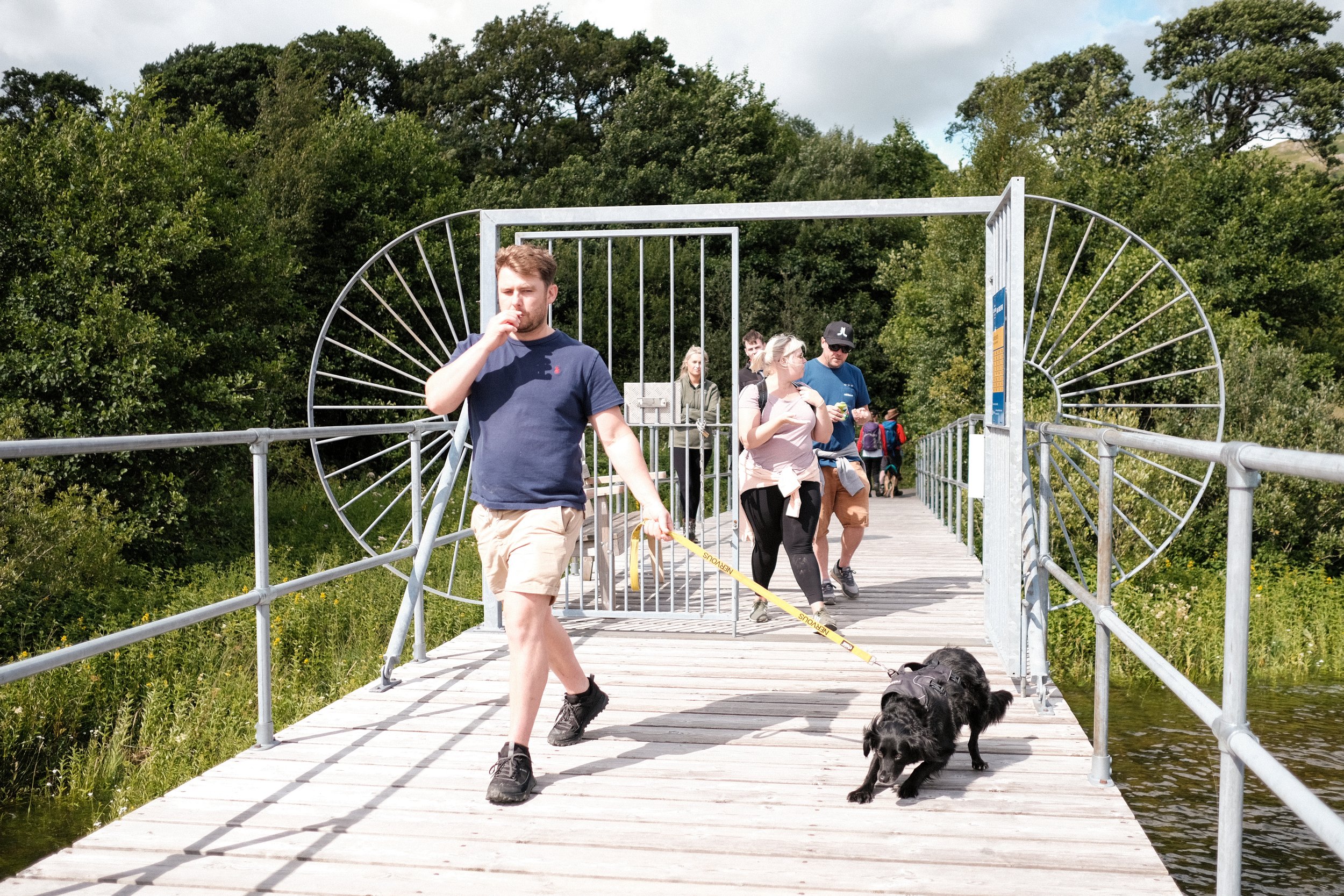
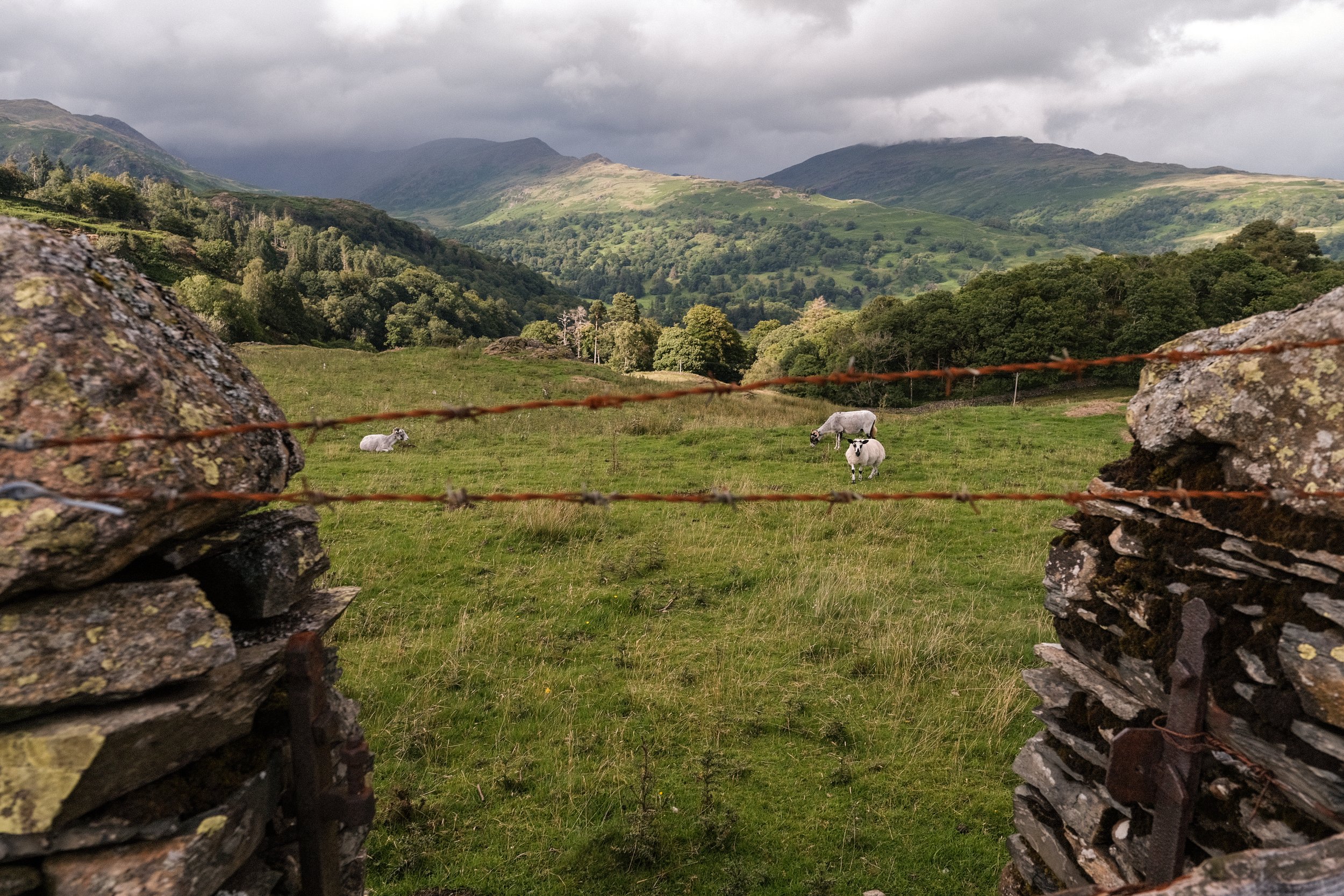
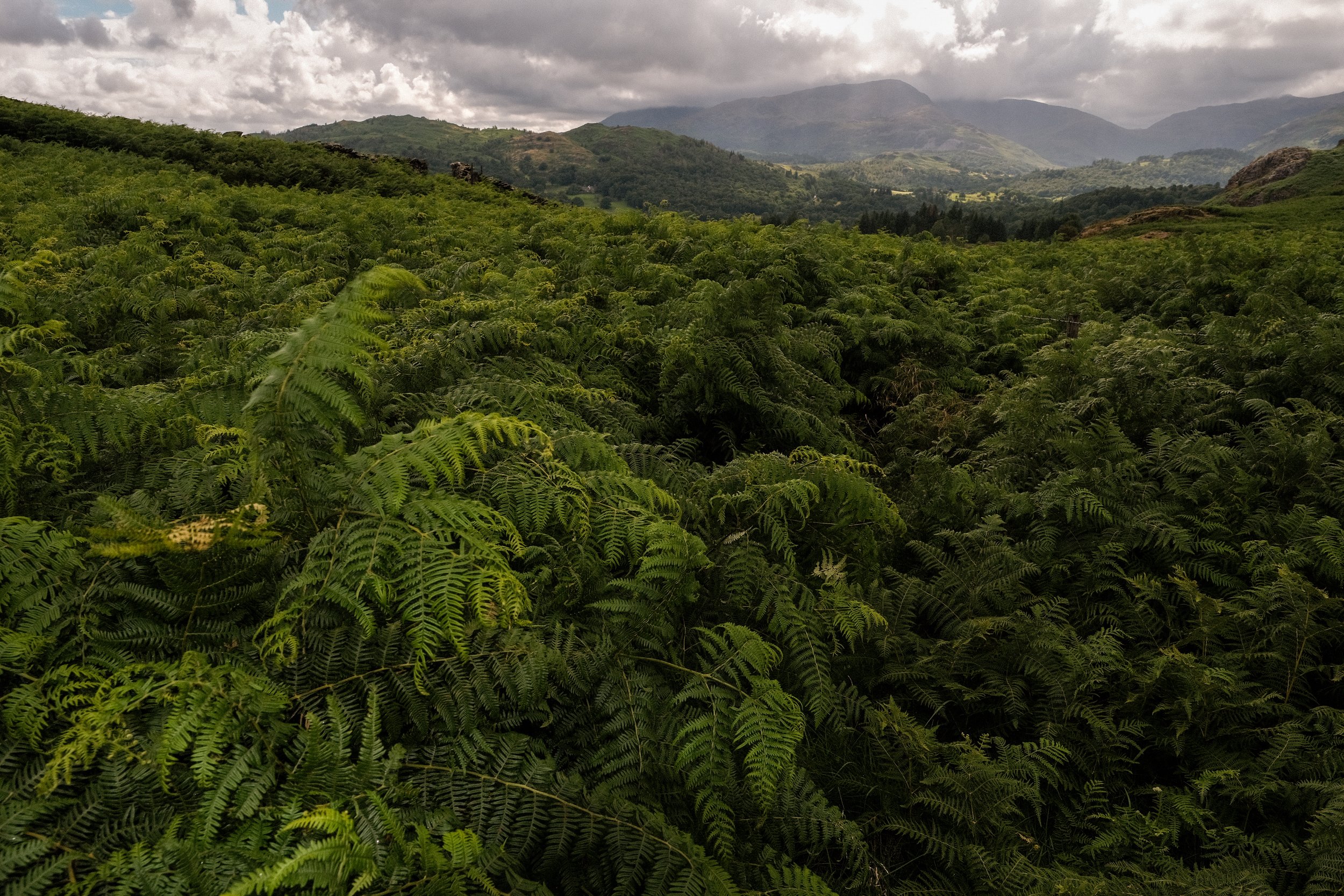
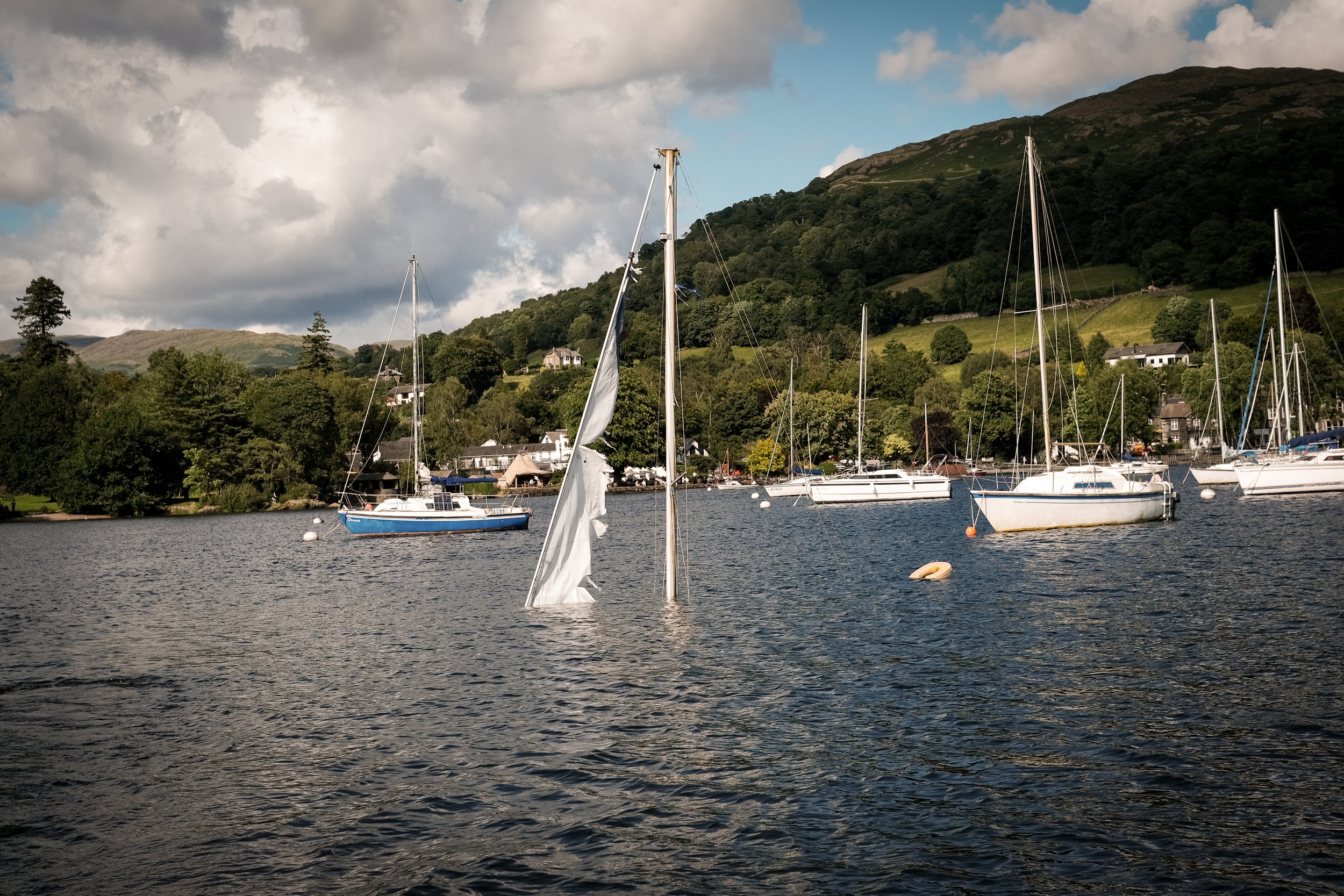
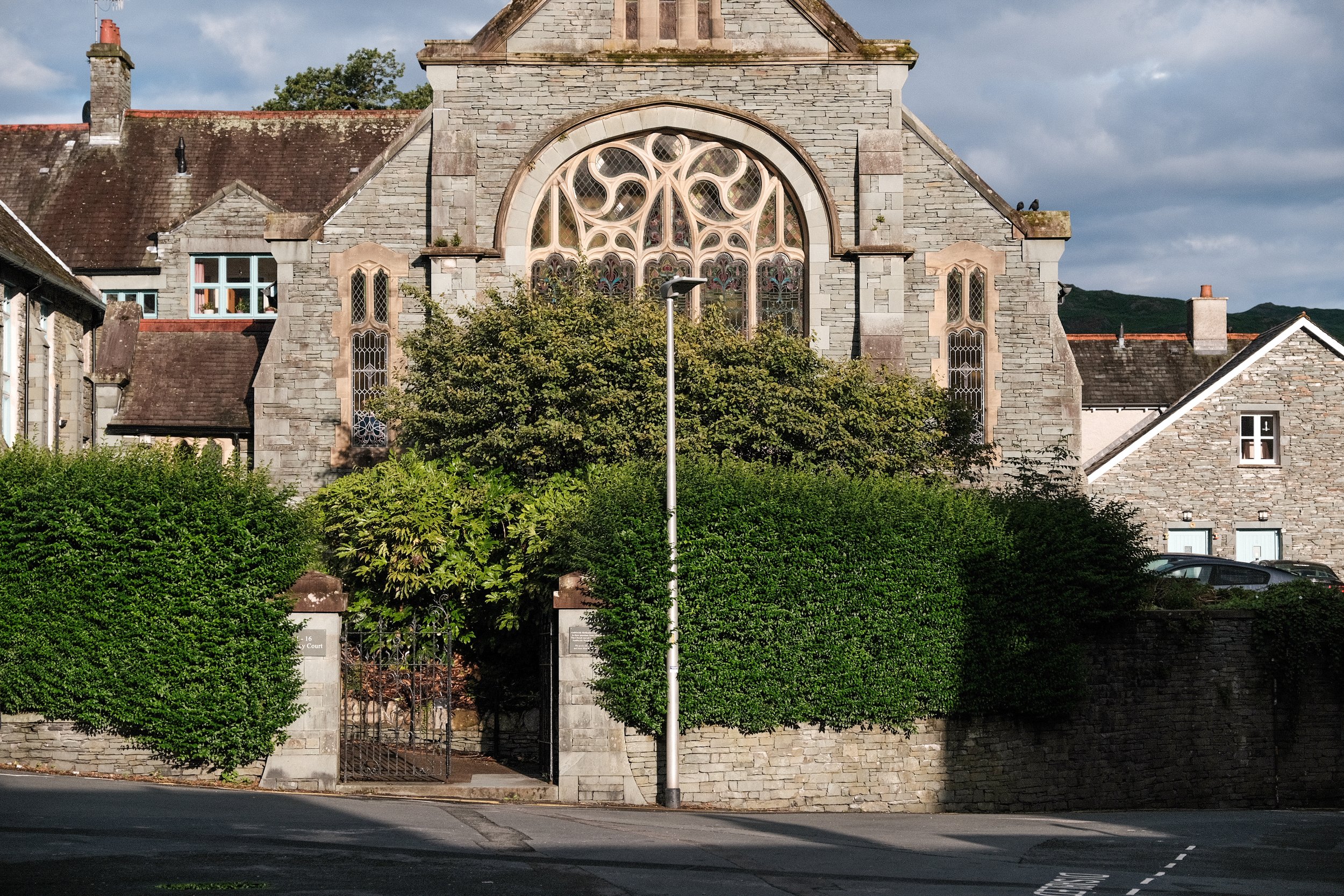
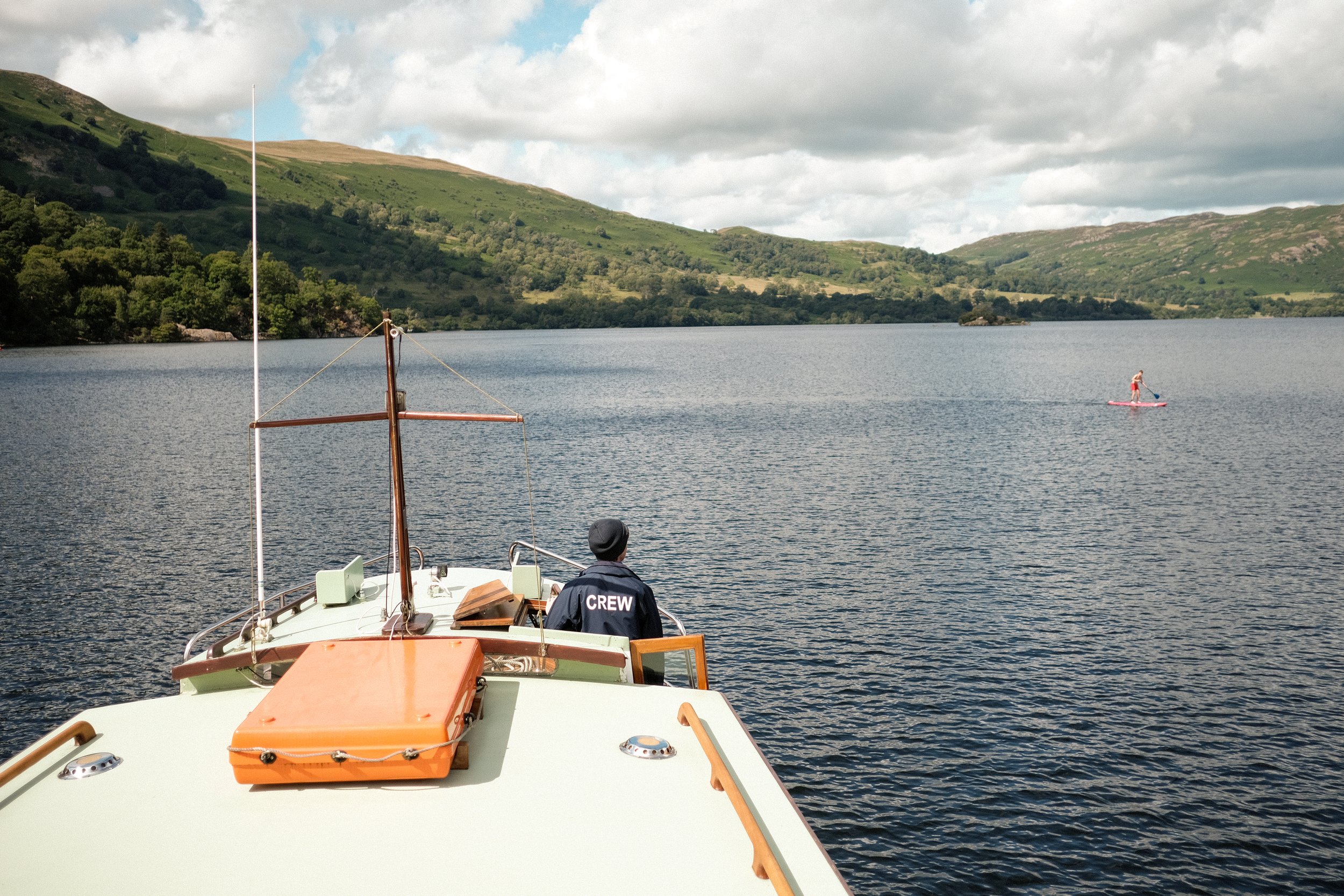
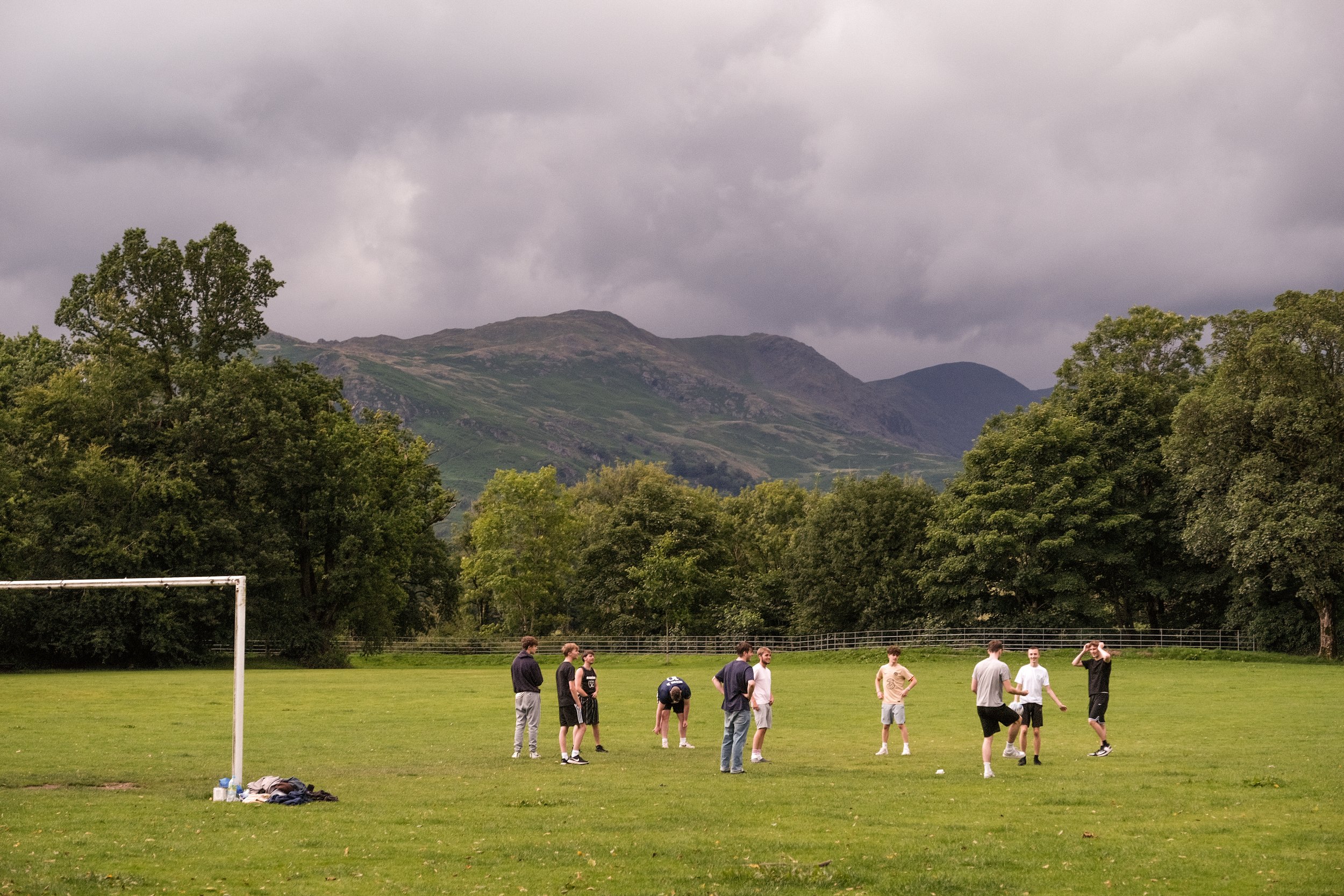
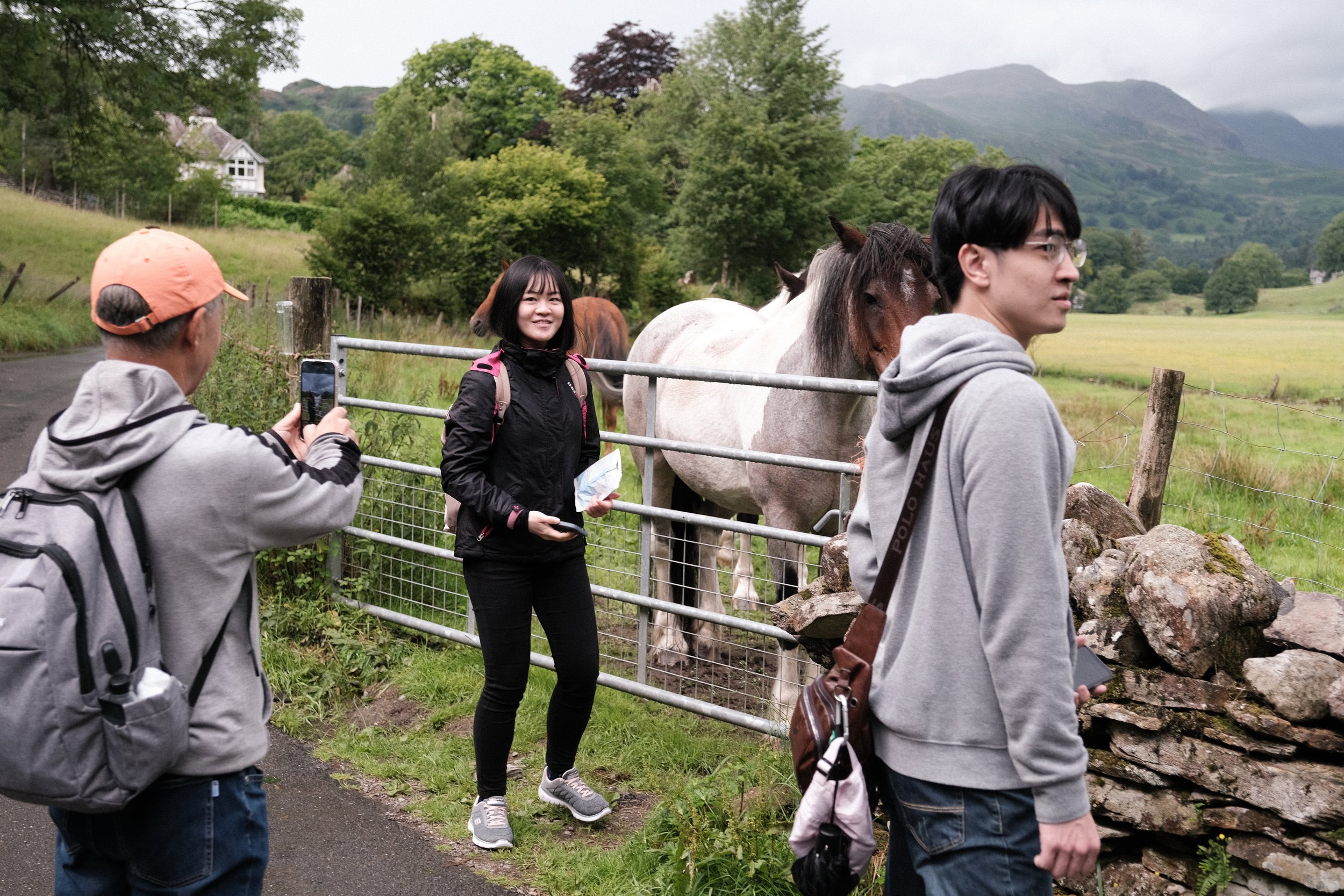
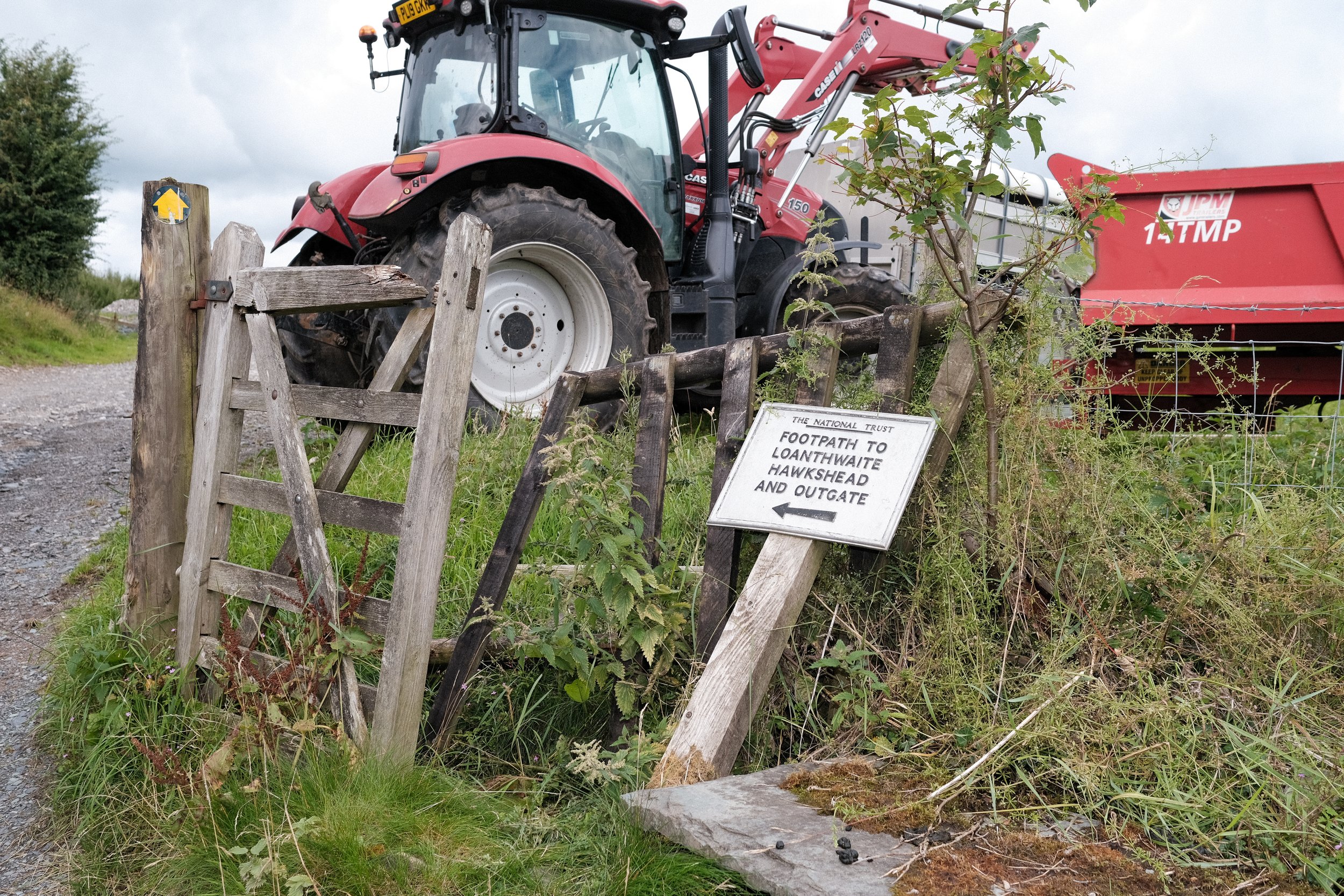
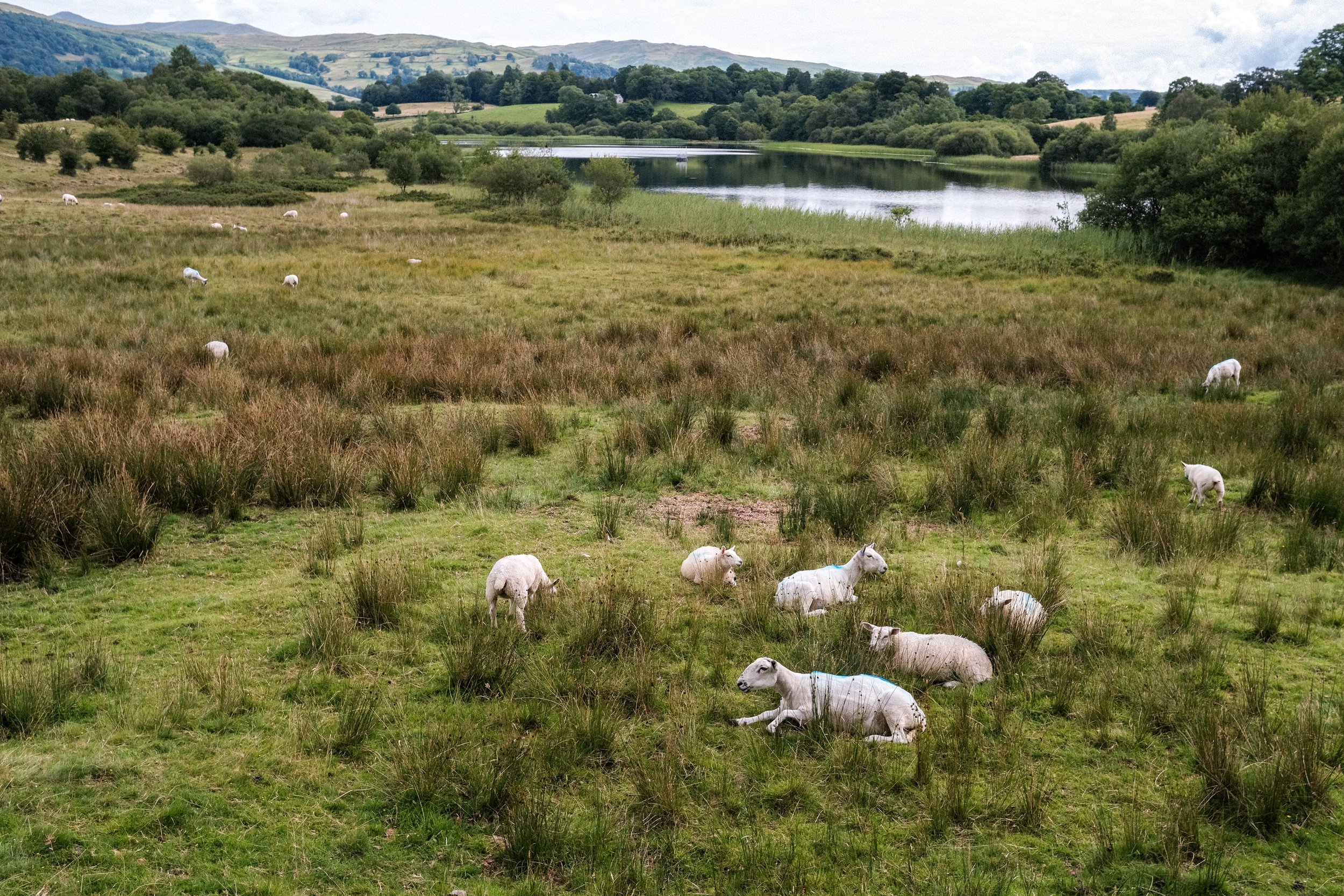
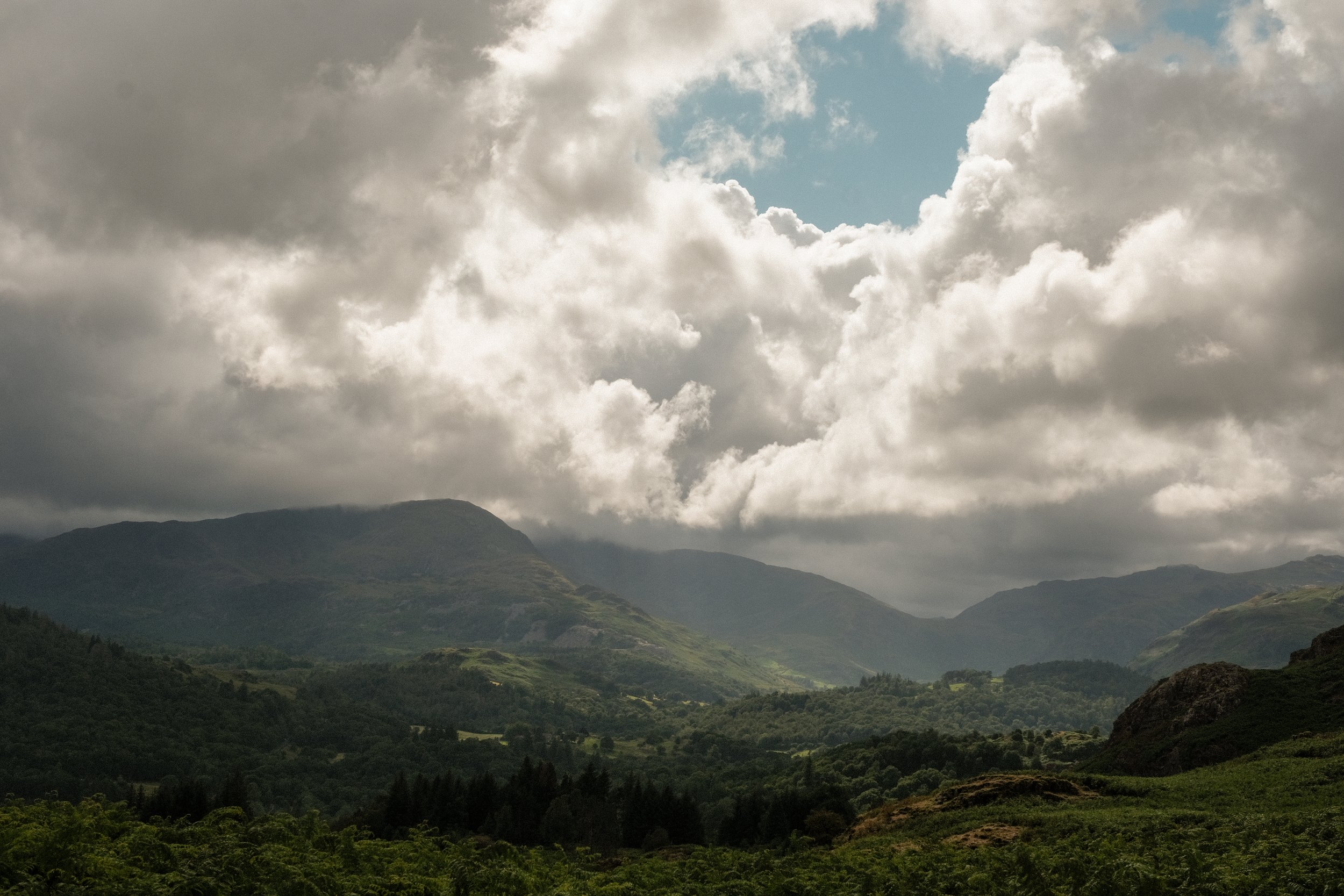
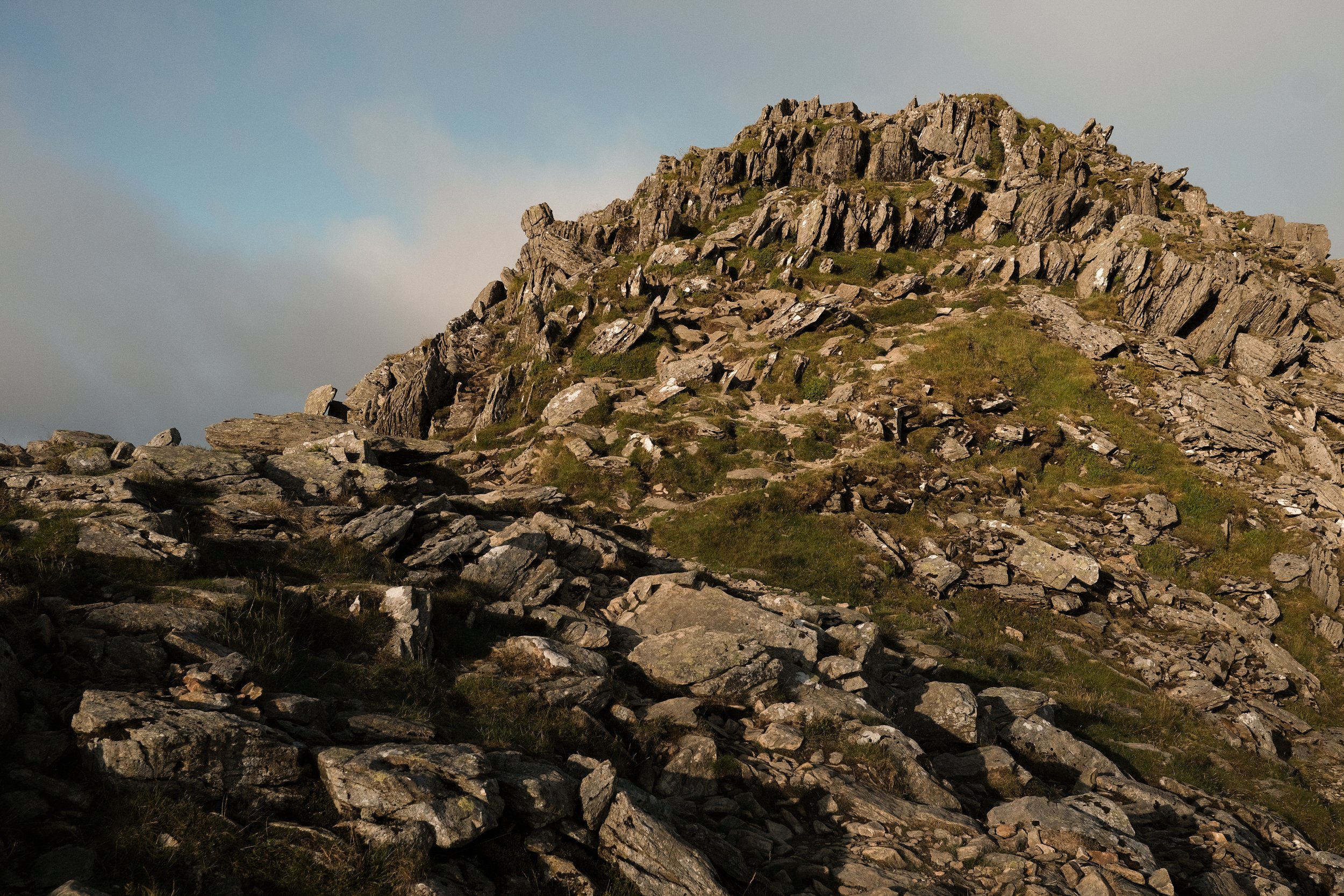
English Pastoral takes its title from James Rebanks’ account of agricultural change in the Lake District, using this context as a point of departure for a contemporary, field-based exploration of landscape. Developed through walking and sustained observation, the series engages with the Lake District National Park as a layered ecological and cultural environment shaped by farming, tourism, conservation and myth.
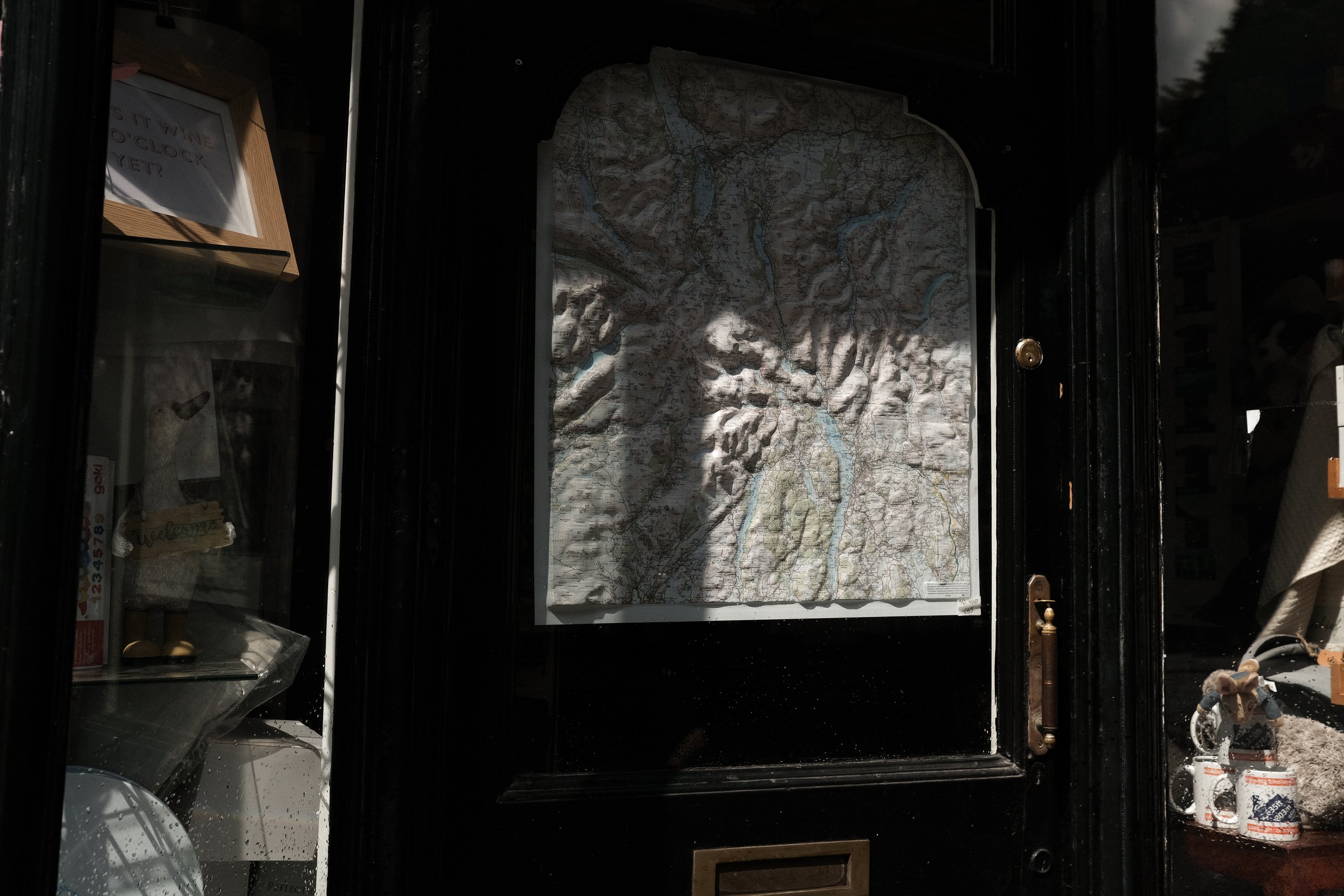
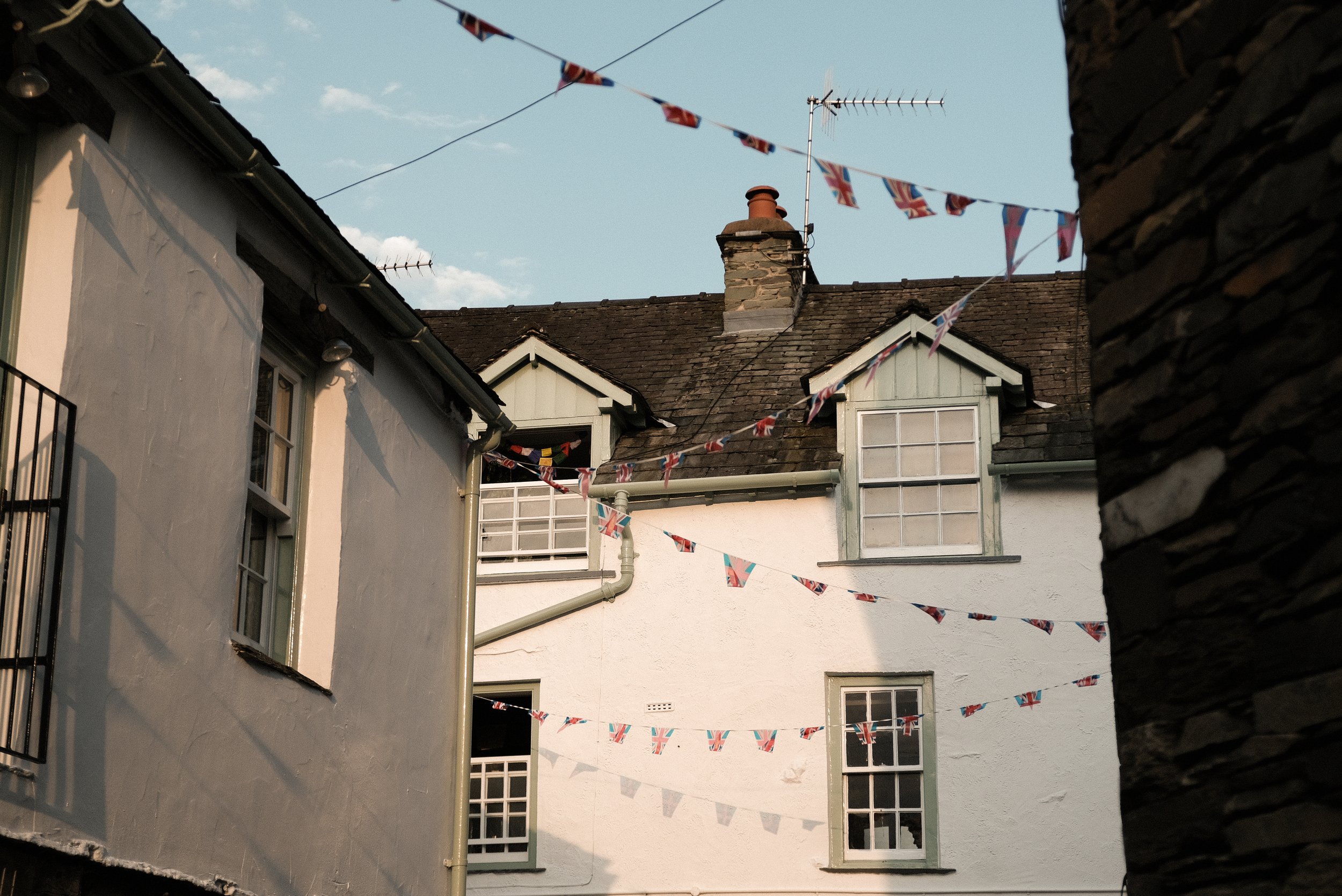
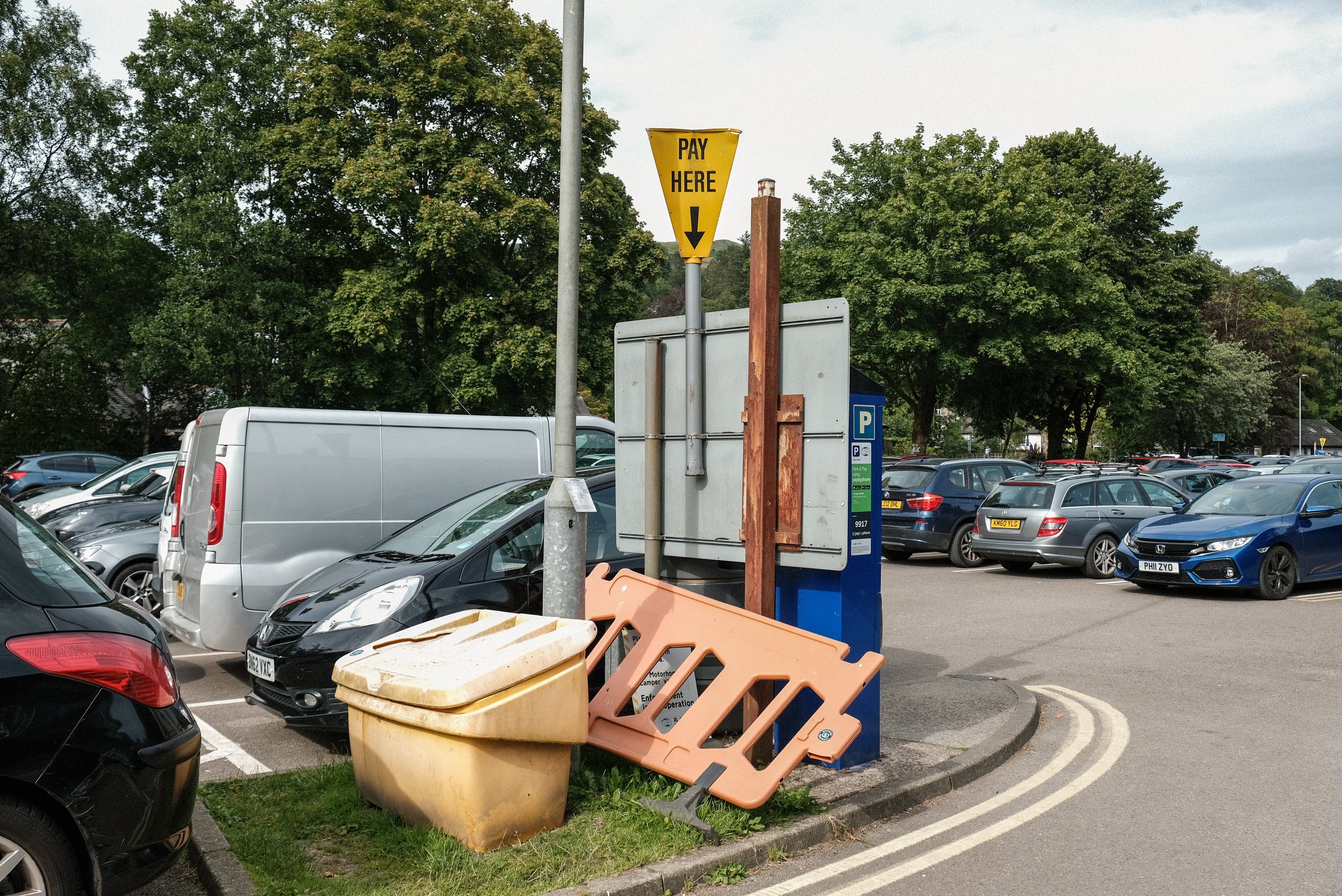
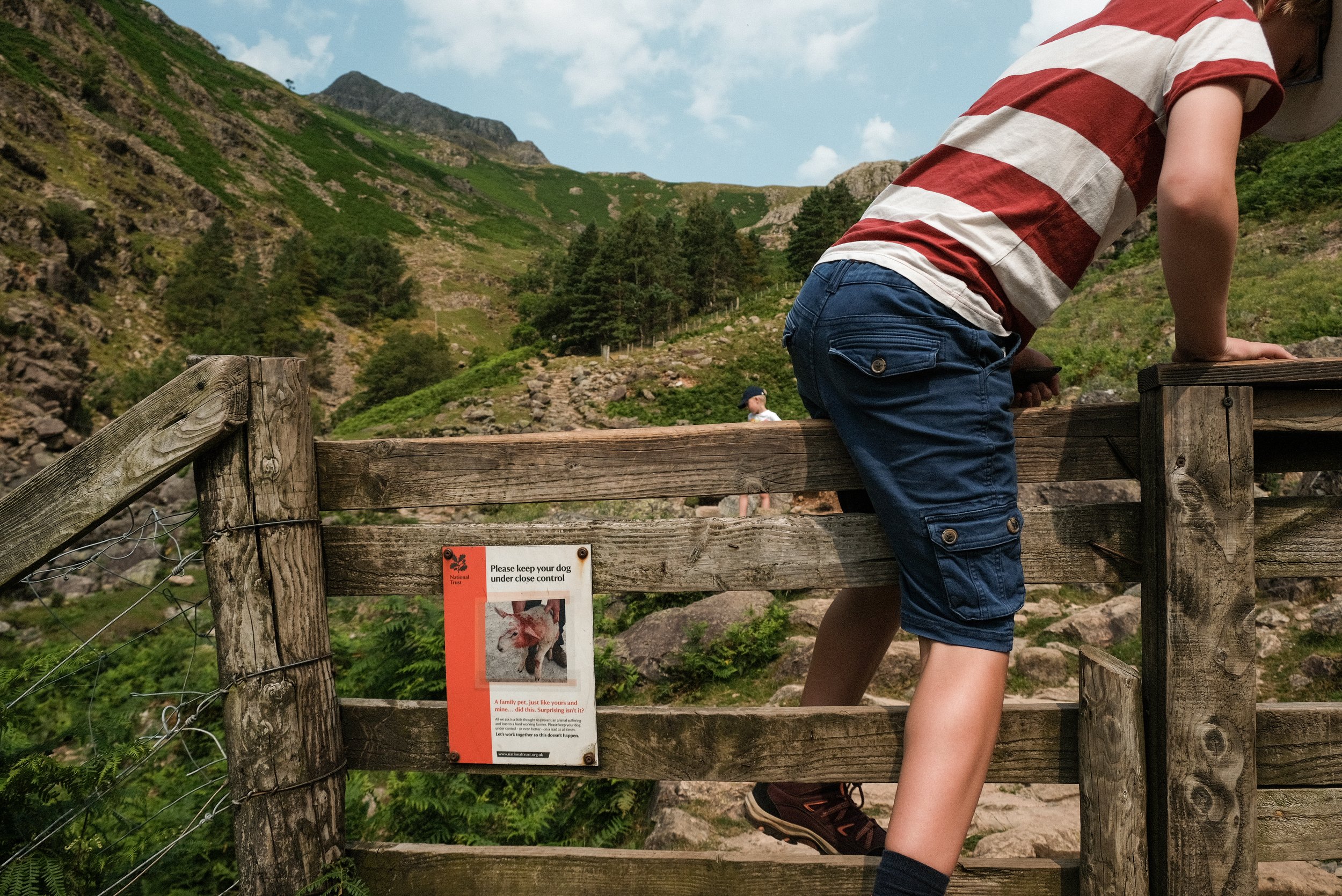
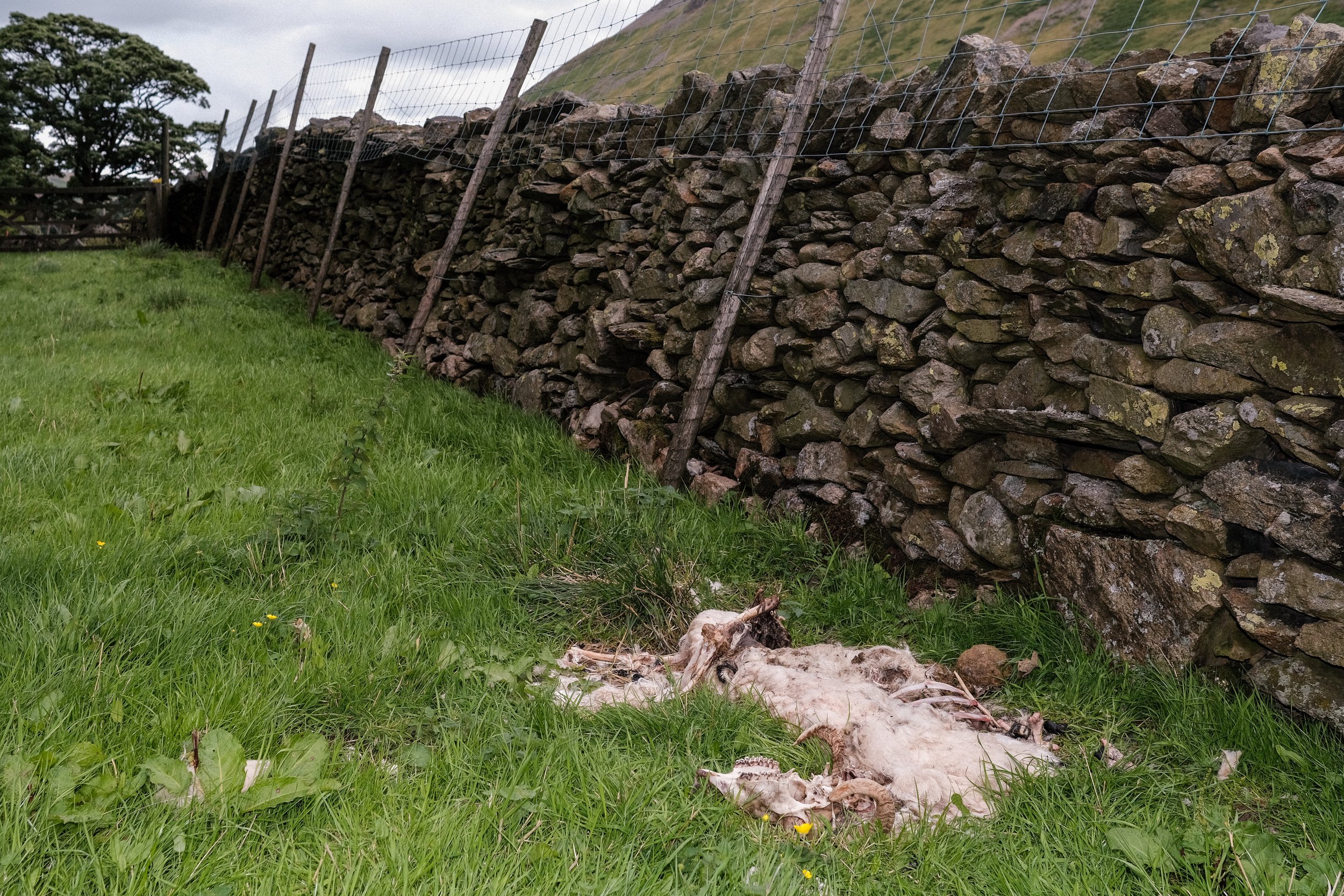
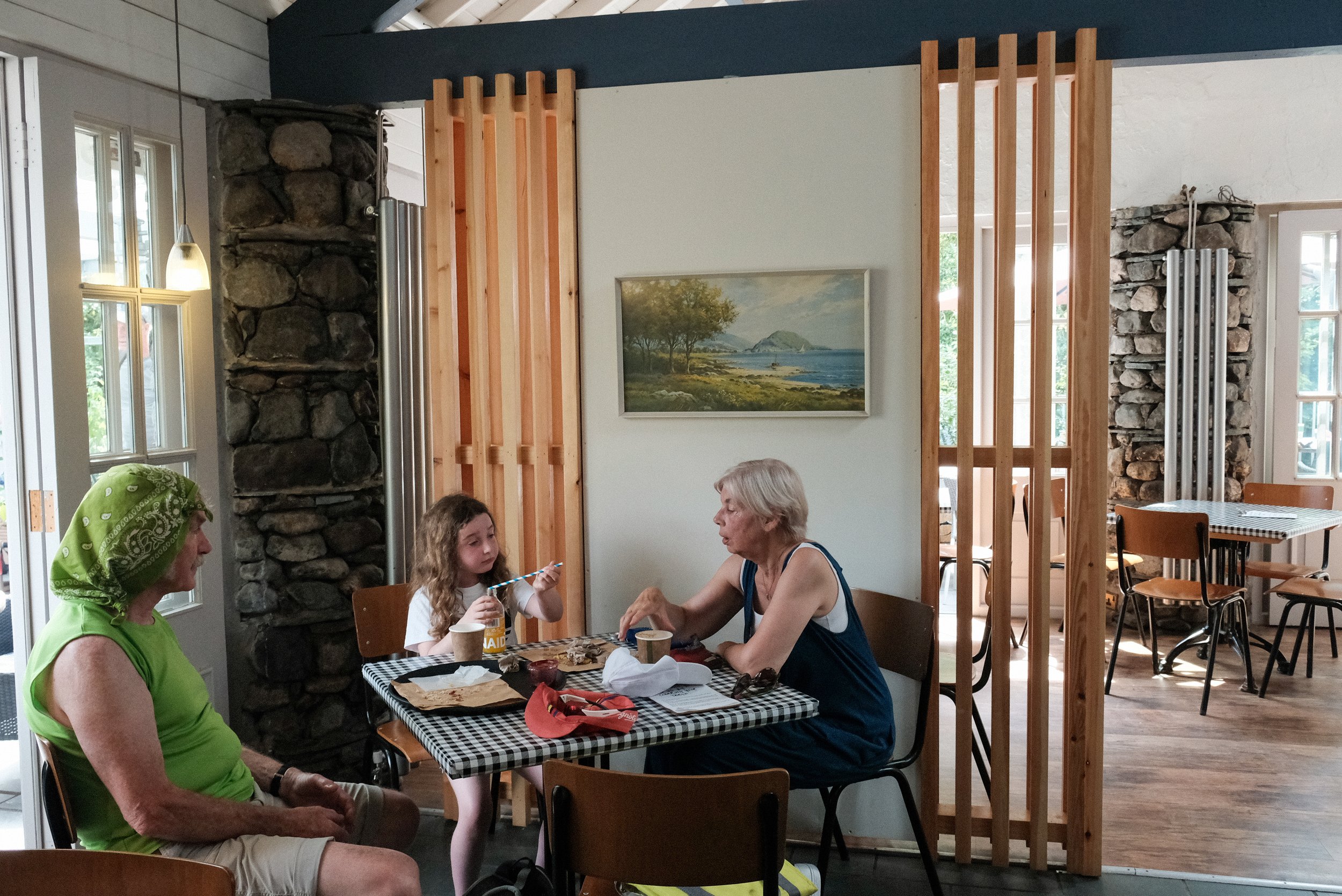
Drawing on the Romantic legacy of William Wordsworth, Samuel Taylor Coleridge and John Ruskin — alongside the visual conventions of 19th-century picturesque painting — the work reconsiders how pastoral imagery continues to inform perceptions of rural Britain. Rather than reproducing idealised views, the project attends to the tensions embedded within these landscapes: between labour and leisure, heritage and commodification, environmental fragility and aesthetic spectacle.
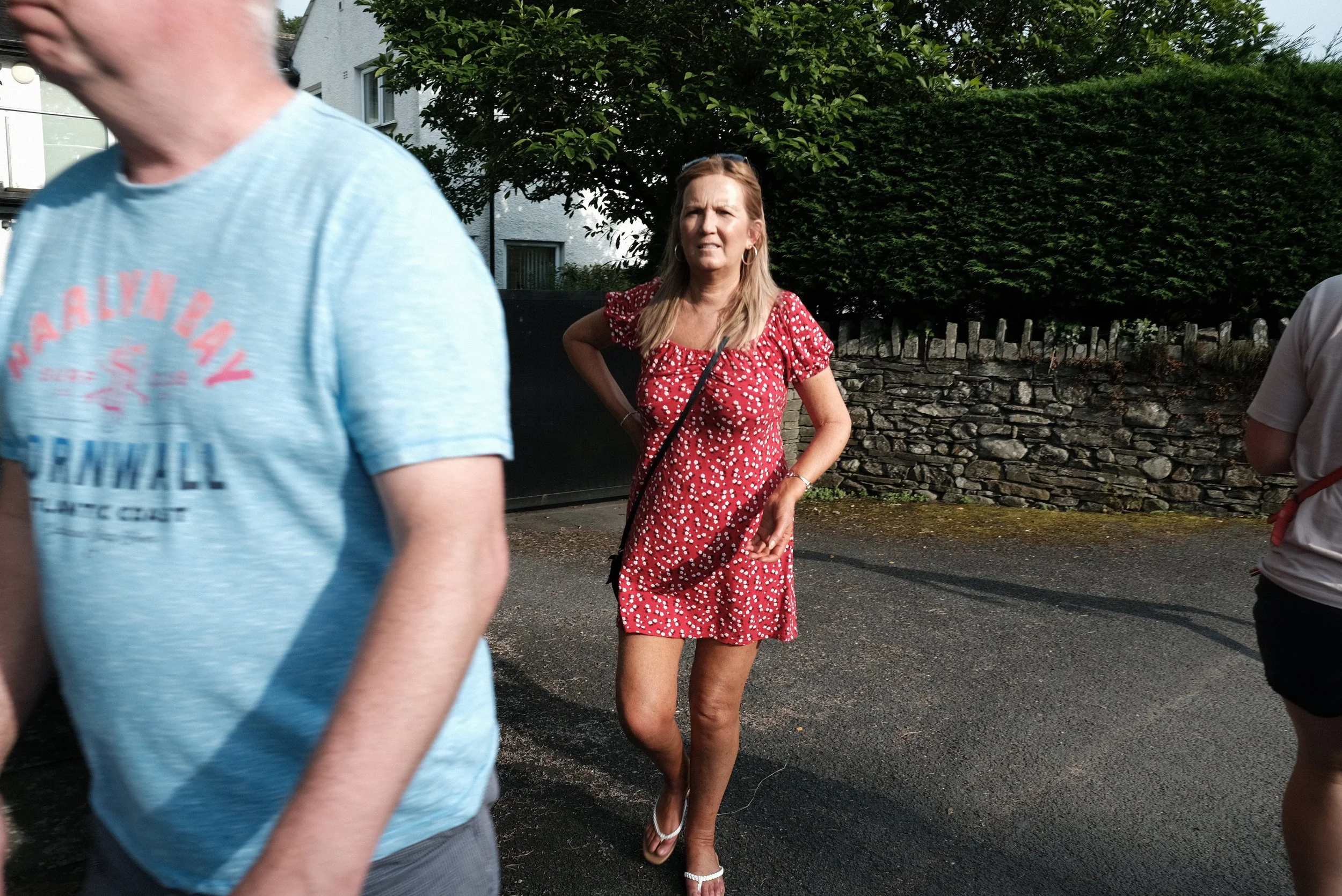
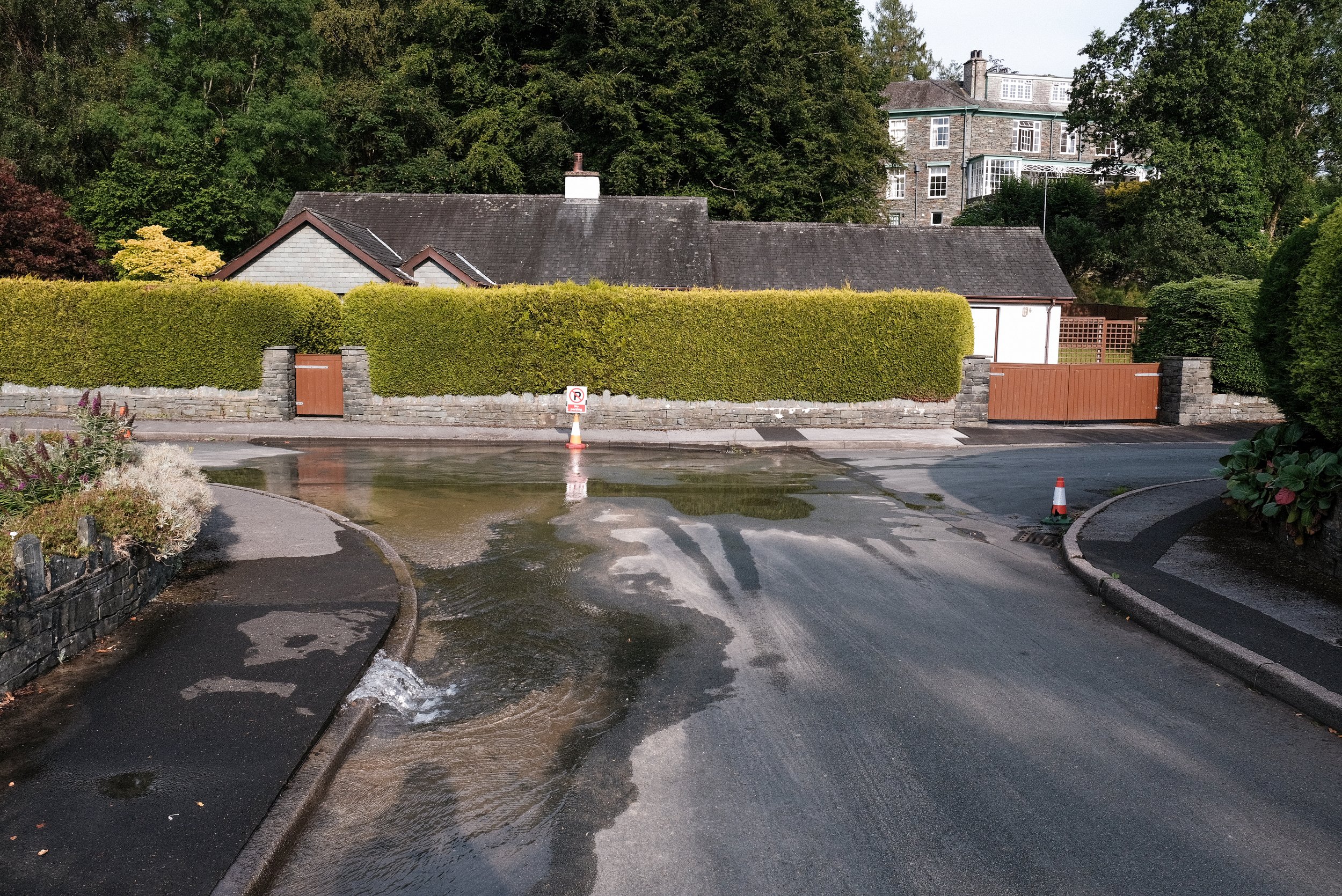
Through documentary attentiveness and subtle formal experimentation, English Pastoral explores how rural space is constructed, inhabited and consumed. The series reflects an ecologically conscious approach to image-making, foregrounding landscape not as static scenery but as a living system shaped by human intervention and environmental change. In doing so, it questions the visual traditions that underpin ideas of English identity while proposing a slower, more attentive mode of encountering place.